

Introduction
Running a Shopify store feels like opening a shop in the world’s largest mall—except there are millions of other stores, and customers can’t see yours unless they know exactly where to look. That’s the brutal reality facing online retailers today.
I’ve seen talented entrepreneurs pour their hearts into beautiful stores, curate incredible products, and nail their branding, only to wonder why nobody’s visiting. The missing piece? Strategic search engine optimization tailored specifically for e-commerce platforms.
Shopify SEO services solve this visibility problem by making your store discoverable to people actively searching for what you sell. Unlike paid advertising that stops working the moment you stop paying, proper optimization builds a sustainable traffic channel that compounds over time.
This guide walks you through everything you need to know about professional Shopify store optimization—from understanding what these services include to choosing the right partner and measuring your return on investment. Whether you’re launching a new store or trying to scale an existing one, these insights will help you make informed decisions about your marketing strategy.
What Are Shopify SEO Services?
Let’s start with clarity. Shopify SEO services represent specialized optimization work designed specifically for stores built on the Shopify platform. This isn’t generic search engine optimization—it requires understanding the unique technical architecture, limitations, and opportunities that Shopify presents.
When you hire a Shopify SEO agency, you’re getting professionals who know how to work within the platform’s constraints while maximizing its strengths. They understand which apps conflict with performance, how to structure collections for maximum visibility, and which technical issues plague most Shopify stores right out of the box.
The core deliverables typically include technical audits that identify hidden problems, on-page optimization for product and collection pages, content strategy development, and ongoing monitoring to maintain rankings as algorithms evolve. Unlike one-size-fits-all approaches, these services account for e-commerce-specific challenges like seasonal inventory changes, product variations, and customer review management.
What makes this different from general SEO work? E-commerce optimization focuses on transactional intent—people ready to buy—rather than just informational queries. A Shopify SEO expert knows how to capture high-intent searches like “buy organic cotton t-shirts” or “best wireless earbuds under $100” where customers are one click away from making a purchase.
Why Your Shopify Store Needs Professional Optimization
Here’s a question I hear constantly: “Can’t I just run Facebook ads instead?” Sure, you can. And you’ll keep paying for every single visitor as long as you want traffic. The moment you pause those campaigns, your traffic drops to zero.
Professional Shopify SEO builds an asset that appreciates over time. Your optimized product pages continue attracting qualified visitors months and years after the initial work, without ongoing ad spend. That’s the fundamental difference between renting traffic and owning it.
The competitive landscape demands this approach. Your competitors are either already investing in optimization or about to start. When someone searches for products you sell, you’re competing for visibility against established brands with bigger budgets. Professional services level that playing field by applying technical expertise and strategic content that algorithms reward.
Quality traffic matters more than quantity. Organic visitors from search engines typically convert at higher rates than social media traffic because they’re actively looking for solutions rather than scrolling through entertainment. A Shopify SEO consultant helps you capture these high-intent searches that drive revenue, not just vanity metrics.
Reduced dependency on paid advertising represents another compelling benefit. Don’t get me wrong—paid ads have their place in a healthy marketing mix. But relying exclusively on them creates vulnerability. Algorithm changes, rising costs, and ad fatigue all threaten paid-only strategies. Organic search provides stability and predictability that paid channels can’t match.
Common Shopify SEO Challenges That Need Expert Solutions
Every platform has quirks, and Shopify’s architecture creates specific optimization obstacles that frustrate store owners who try DIY approaches. Understanding these challenges helps you appreciate why specialized services deliver better results than generic SEO tactics.
Duplicate content issues top the list. Shopify automatically creates multiple URLs for the same product when it appears in different collections. Search engines see these as separate pages with identical content, which dilutes ranking power. Professional services implement canonical tags and strategic URL management to solve this problem.
Limited URL structure customization creates another headache. Unlike WordPress where you control every aspect of permalinks, Shopify locks certain URL patterns. You can’t remove “/products/” or “/collections/” from URLs without complex workarounds. Experienced consultants know how to work within these constraints while still achieving strong rankings.
Page speed and Core Web Vitals present ongoing challenges for Shopify merchants. The platform’s theme structure, app integrations, and image handling can create performance bottlenecks that harm both user experience and search rankings. A qualified Shopify SEO company audits these technical factors and implements solutions that balance functionality with speed.
Thin product descriptions plague many stores, especially those selling products from multiple suppliers. Using manufacturer descriptions guarantees duplicate content across the web. Creating unique, detailed descriptions for hundreds or thousands of products requires strategic planning and resources that most individual merchants lack.
Image optimization gets overlooked constantly. High-resolution product photos look gorgeous but can devastate page speed if not properly compressed and formatted. Professional services ensure images load quickly while maintaining visual quality—a balance that significantly impacts both SEO and conversion rates.
Core Components of Effective Shopify Store Optimization
Understanding what comprehensive services include helps you evaluate proposals and set realistic expectations. Let’s break down the essential elements that drive results.
Technical Foundation Work
Technical SEO forms the invisible infrastructure supporting everything else. This includes site structure optimization so search engines can efficiently crawl and index your store, speed improvements through code optimization and app audits, and mobile responsiveness verification since most e-commerce traffic comes from phones.
Schema markup implementation helps your products appear in rich results with prices, availability, and ratings directly in search results. These enhanced listings dramatically increase click-through rates compared to plain text results. XML sitemap management ensures search engines discover new products quickly, while robots.txt configuration prevents crawling of unnecessary pages that waste crawl budget.
Product and Collection Page Optimization
Your product pages are where transactions happen, making their optimization absolutely critical. Services include optimizing titles and meta descriptions to capture relevant searches, improving header tag structure for clarity, enhancing product descriptions with strategic keyword usage without sounding robotic, and implementing internal linking strategies that distribute ranking power throughout your store.
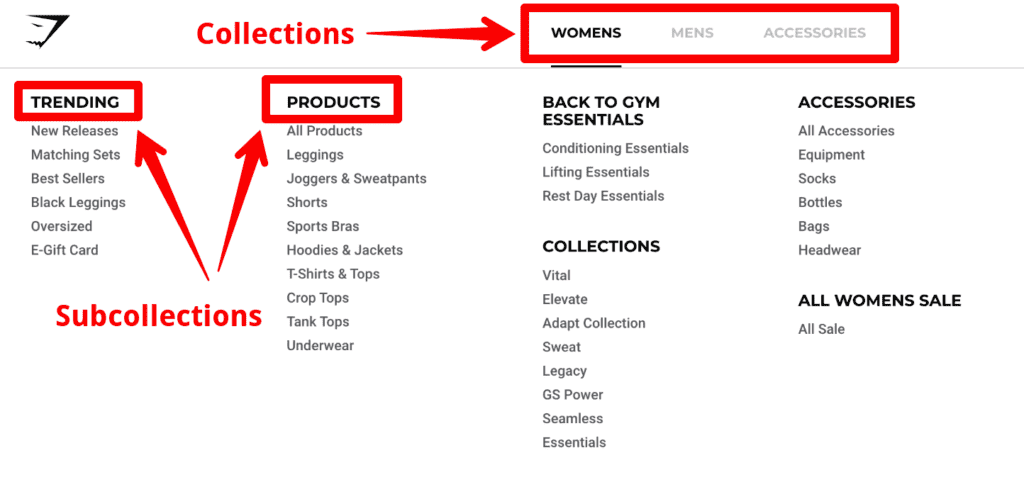
Collection pages deserve equal attention since they often rank for broader category searches. A skilled Shopify SEO expert optimizes collection descriptions, ensures proper filtering options, and structures these pages to rank for competitive category keywords while guiding visitors deeper into your product catalog.
Strategic Content Development
Beyond product pages, content marketing plays a crucial role in capturing informational searches and building topical authority. This includes blog content addressing customer questions, buying guides that help people make decisions (and naturally link to your products), educational resources establishing expertise, and content calendar development ensuring consistent publishing that algorithms reward.
The key is creating content that serves genuine customer needs while naturally incorporating your products as solutions. This approach builds trust and generates traffic from people earlier in the buying journey who aren’t ready to purchase immediately but will remember you when decision time comes.
What to Look for When Hiring a Shopify SEO Agency
Choosing the right partner makes the difference between wasted budget and transformative results. Start by verifying Shopify-specific experience—not just general SEO credentials. Ask for case studies showing actual Shopify stores they’ve improved, with before-and-after traffic and revenue data.
Portfolio review reveals expertise depth. Look for diversity in store types and niches they’ve served. Someone who has only worked with fashion stores might struggle optimizing an electronics retailer. Broader experience typically indicates adaptable strategies and deeper understanding of e-commerce fundamentals.
Understanding of the complete e-commerce customer journey matters tremendously. Your optimization partner needs to think beyond just rankings to how traffic converts into revenue. This means considering product page design, checkout flow optimization, and how SEO integrates with your broader marketing strategy.
Technical proficiency should be demonstrable. Ask specific questions about Shopify’s limitations and how they work around them. Vague answers indicate surface-level knowledge. Detailed explanations of technical approaches show genuine expertise that will benefit your store.
Transparent reporting and communication separate professional services from fly-by-night operators. You should receive regular updates showing ranking improvements, traffic growth, and identified opportunities. Red flags include agencies that won’t share specific tactics, promise guaranteed rankings (impossible to legitimately guarantee), or use black-hat techniques that risk penalties.
For a comprehensive overview of modern e-commerce optimization strategies, this video provides valuable insights:
Understanding Shopify SEO Pricing and Investment
Budget considerations drive decision-making for most store owners, so let’s discuss realistic pricing expectations. Services typically follow three models: one-time project fees for specific work like migration or audits, monthly retainers for ongoing optimization, or project-based pricing for defined scopes.
One-time audits generally range from $500 to $3,000 depending on store size and complexity. These deliver actionable insights but require you to implement recommendations yourself or hire someone for execution. Monthly retainer services typically start around $1,000 for basic stores and can reach $5,000+ for large catalogs with complex optimization needs.
Several factors affect pricing: your store’s current state (new stores need more foundational work), competitive intensity in your niche (ranking for “shoes” costs more than “handmade ceramic plant pots”), catalog size (500 products require more work than 50), and service scope (technical-only versus comprehensive strategies including content and link building).
Here’s what many people miss: evaluating value rather than just cost. A $2,000 monthly investment that generates an additional $20,000 in monthly revenue represents a 10x return. Compare that to paid advertising where you might spend $10,000 to generate $15,000 in sales—a much thinner margin that disappears the moment you stop spending.
Measuring Success and ROI from Your Investment
Investing without tracking results is like sailing without navigation—you might eventually reach land, but probably not your intended destination. Fortunately, measuring SEO success for e-commerce is straightforward when you track the right metrics.
Organic traffic growth provides the clearest indicator that optimization is working. Google Analytics shows exactly how many visitors arrive from search engines, which pages they land on, and how that traffic trends over time. Look for consistent month-over-month growth, though expect some fluctuation from seasonal patterns.
Keyword ranking improvements demonstrate your visibility increasing for targeted searches. Tools like Google Search Console show which queries trigger your store’s appearance in results and your average position. Moving from position 15 to position 5 for a high-volume product search can mean hundreds of additional monthly visitors.
Conversion rate from organic traffic matters most for business results. More traffic is worthless if those visitors don’t buy. Compare organic conversion rates to other channels. Well-optimized stores often see organic visitors convert at 2-4%, sometimes higher than paid traffic because organic visitors searched specifically for what you offer.
Revenue attribution to SEO channels tells the complete story. Set up goal tracking in Analytics to show exactly how much revenue comes from organic search. This number—compared to your monthly investment in services—reveals true ROI. Most stores should see positive ROI within 4-6 months, with returns improving significantly in months 7-12 as more content gains traction.
Realistic timeline expectations prevent premature disappointment. SEO isn’t instant—new content typically takes 3-6 months to reach full ranking potential. Technical fixes might show faster results, but comprehensive optimization is a marathon, not a sprint. The payoff is traffic and revenue that continues growing with relatively stable ongoing investment.
Conclusion
The e-commerce landscape grows more competitive every quarter, with new Shopify stores launching daily. Standing out requires more than great products and attractive design—it demands strategic visibility in search results where your customers actively look for solutions.
Shopify SEO services provide that competitive advantage by solving platform-specific challenges, capturing high-intent traffic, and building sustainable revenue channels independent of paid advertising costs. The store owners dominating organic search aren’t necessarily bigger or better-funded—they’re simply more strategic about optimization.
Whether you’re launching a new store or trying to scale an existing one, investing in professional optimization delivers compounding returns. Your optimized product pages and content continue attracting qualified visitors long after the initial work, creating an appreciating asset that paid advertising can never match.
Ready to transform your store’s visibility? Start by auditing your current performance: which products should rank but don’t, where you’re losing traffic to competitors, and what technical issues might be holding you back. Then find a qualified partner who understands Shopify’s unique environment, demonstrates proven results, and communicates transparently about strategies and timelines.
The stores capturing the most valuable organic traffic aren’t relying on luck—they’re executing comprehensive optimization strategies. Your opportunity to join them starts with recognizing that professional services aren’t an expense but an investment in predictable, sustainable growth.
