

When I first stumbled upon the concept of organizing search engine optimization into a periodic table format, I’ll admit I was skeptical. How could something as complex and ever-changing as SEO be broken down into neat little boxes? But after years of working with this framework, I’ve come to appreciate its genius. Let me walk you through everything you need to know about this invaluable resource.
What is the Periodic Table of SEO?
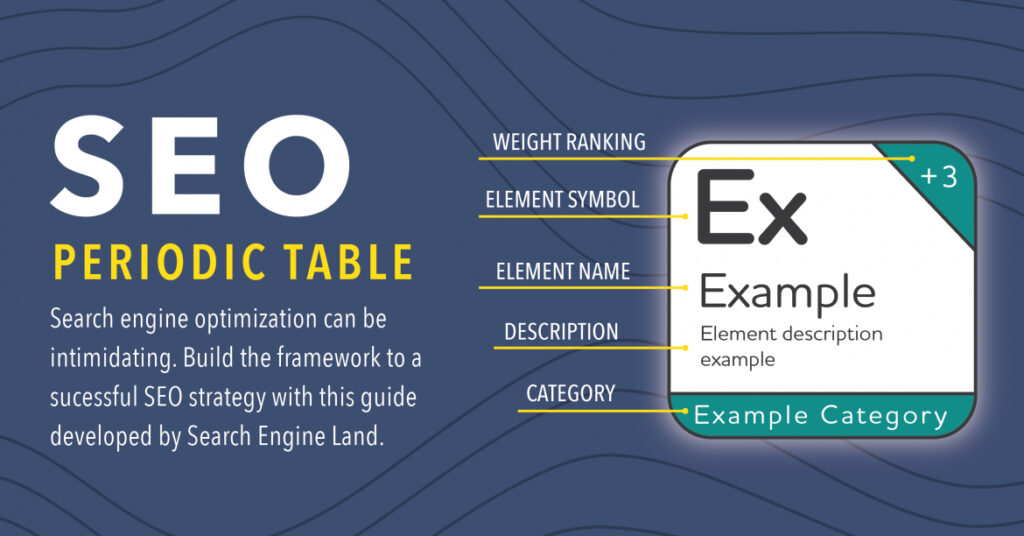
The periodic table of search engine optimization is a comprehensive visual framework that breaks down all the essential ranking factors into organized categories. Created by Search Engine Land, this tool has become an indispensable reference for digital marketers, content creators, and business owners trying to make sense of Google’s complex algorithms.
Think about the original periodic table from chemistry class—it organized elements by their properties and behaviors. Similarly, this SEO framework groups ranking factors into logical categories, making it easier to understand how different optimization techniques work together. The beauty lies in its simplicity: instead of drowning in hundreds of random tips and tricks, you get a structured approach to building your search visibility.
What makes this resource particularly valuable is that it gets updated regularly to reflect the latest algorithm changes and industry best practices. Search engines don’t stand still, and neither should your optimization strategy.
Understanding the Core Categories
Content: The Foundation of Everything
Let me be blunt—without quality content, nothing else matters. I’ve seen countless websites with perfect technical setups fail miserably because their content was mediocre. Your content needs to answer real questions that people are actually asking.
Quality means depth, accuracy, and genuine value. Are you providing information that someone can’t easily find elsewhere? Research-backed content that cites credible sources will always outperform superficial fluff. Keywords still matter, but they need to flow naturally within your writing. Gone are the days of stuffing phrases awkwardly into every paragraph.
Freshness plays a crucial role too. For topics where timeliness matters—like technology, news, or current events—regularly updated content signals relevance. And don’t forget multimedia elements. Images, videos, infographics, and interactive elements keep readers engaged and increase time on page, which search engines notice.
Architecture: Building a Solid Technical Foundation
Here’s where many website owners drop the ball. You might have the best content in the world, but if search engines can’t crawl and index it properly, you’re invisible.
Crawlability ensures that search engine bots can discover all your important pages. A clean URL structure, proper use of robots.txt, and an XML sitemap make this process smooth. Mobile-friendliness isn’t optional anymore—it’s mandatory. With mobile-first indexing, Google primarily uses the mobile version of your site for ranking.
Page speed has become increasingly critical. People are impatient, and search engines know it. A site that takes five seconds to load will hemorrhage visitors before they even see your brilliant content. Tools like Google PageSpeed Insights can help identify bottlenecks.
HTML Elements: On-Page Optimization Essentials
These are the nuts and bolts of on-page optimization. Title tags remain one of the most important ranking factors—they tell both users and search engines what your page is about. Keep them under 60 characters and make them compelling enough to earn clicks.
Meta descriptions don’t directly impact rankings, but they significantly affect click-through rates. Think of them as your elevator pitch for each page. Header tags (H1, H2, H3) structure your content and help search engines understand your page hierarchy.
Structured data markup is where things get technical but rewarding. By adding schema markup, you help search engines understand your content context, which can lead to rich snippets in search results—those eye-catching featured snippets with star ratings, prices, or event details.
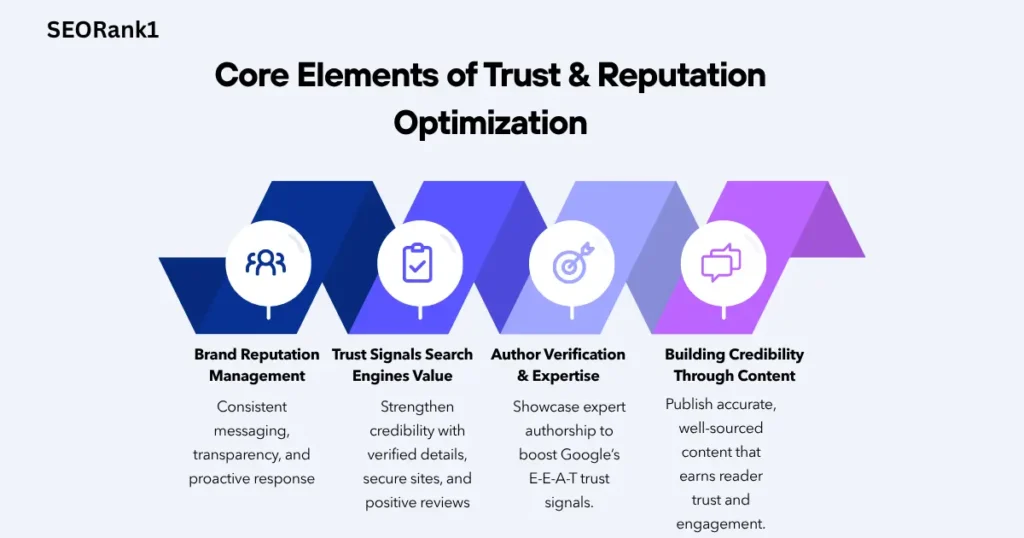
Trust Signals: Building Credibility
Google wants to recommend authoritative sources. Building trust involves multiple factors working together. Domain authority matters—a site that’s been consistently producing quality content for years carries more weight than a brand-new domain.
Engagement metrics tell search engines whether people find your content valuable. If visitors immediately bounce back to search results, that’s a bad sign. Conversely, if they spend time reading, scrolling, and clicking to other pages, you’re doing something right.
Brand signals have become increasingly important. When people search for your brand name directly or mention your brand across the web, it signals authority and trustworthiness.
The Link Ecosystem
Links remain the currency of the web, though their role has evolved. Quality trumps quantity every single time. One link from a highly authoritative, relevant site beats a hundred links from random directories.
Backlink profiles should look natural—a mix of different anchor texts, various linking domains, and links acquired over time rather than all at once. Internal linking is often overlooked but incredibly powerful. It helps distribute page authority throughout your site and guides visitors to related content.
External links to credible sources can actually help your rankings too. Don’t be afraid to link out to authoritative resources—it demonstrates you’ve done your research and adds context for readers.
User Experience: Where SEO Meets Real People
Core Web Vitals have shifted the conversation from purely algorithmic optimization to genuine user experience. These metrics—Largest Contentful Paint, First Input Delay, and Cumulative Layout Shift—measure how quickly your page loads, how responsive it is to user interactions, and whether elements shift around annoyingly as the page loads.
Mobile experience extends beyond just responsive design. Navigation should be thumb-friendly, forms should be easy to fill out on small screens, and buttons should be large enough to tap without zooming.
Personalization and Local Factors
Search results aren’t one-size-fits-all anymore. Location heavily influences what people see. A search for “best pizza” in New York yields completely different results than the same search in Chicago.
For local businesses, optimizing your Google Business Profile is non-negotiable. Consistent NAP (Name, Address, Phone) information across the web, local citations, and positive reviews all contribute to local search visibility.
Personal search history and browsing behavior also influence results, though less than location. This is why two people searching the same term might see slightly different results.
Avoiding SEO Violations
Just as important as knowing what to do is understanding what not to do. Keyword stuffing, cloaking, hidden text, link schemes, and duplicate content can all trigger penalties that devastate your rankings.
Black hat techniques might offer short-term gains, but they’re not worth the risk. Penalties can take months to recover from, assuming recovery is even possible. Stick to white hat methods that focus on providing genuine value.
Putting It All Together
The real power of the periodic table framework lies in its holistic approach. No single element guarantees top rankings—success comes from balancing multiple factors. Start by auditing your current situation. Where are your biggest weaknesses? Maybe your content is strong but your technical foundation is shaky, or perhaps you have great architecture but thin content.
Prioritize based on impact and resources. Quick wins like fixing broken links or optimizing title tags can be tackled immediately, while comprehensive content overhauls require more planning and effort.
Remember that optimization is never truly finished. Algorithms evolve, competitors adapt, and user expectations change. The periodic table serves as your roadmap, helping you navigate these shifts while maintaining a balanced strategy.
Moving Forward
The periodic table of search engine optimization transforms an overwhelming subject into an approachable framework. By understanding each category and how they interconnect, you can build a comprehensive strategy that improves visibility, drives traffic, and ultimately achieves your business goals.
Start small if you need to, but start somewhere. Pick one category that needs attention and focus your efforts there. As you gain momentum, expand to other areas. The compounding effects of good optimization practices will surprise you.
Your journey to better search visibility begins with understanding these fundamental elements. Use this framework as your guide, stay curious about industry changes, and always keep your audience’s needs at the center of everything you do.
