

The home services industry is experiencing a fundamental shift in how customers find and hire contractors. Gone are the days when a simple Yellow Pages ad or neighborhood flyer could sustain a thriving business. Today’s homeowners begin their search online, compare multiple providers within minutes, and make decisions based on digital presence and reviews before ever picking up the phone.
Whether you run a plumbing company, HVAC business, electrical contracting firm, or landscaping service, understanding modern marketing strategies isn’t optional—it’s essential for survival. This comprehensive guide explores proven tactics that help home service businesses attract more customers, build lasting reputations, and grow sustainably in an increasingly competitive marketplace.
Understanding Home Services Marketing
Home services marketing encompasses all strategies and tactics used to promote businesses that provide residential maintenance, repair, and improvement services. Unlike traditional retail or e-commerce marketing, this specialized approach focuses on building trust within local communities while demonstrating expertise and reliability.
The unique nature of home services creates specific marketing challenges. Customers invite service providers into their most private spaces, often during stressful situations like emergency repairs. This reality means your marketing must emphasize trustworthiness, professionalism, and proven competence above everything else.
Local targeting becomes paramount because most home service businesses operate within specific geographic boundaries. A homeowner in Dallas won’t hire a plumber from Denver, regardless of how impressive their website looks. This geographical limitation requires precision in your marketing strategies rather than broad, national campaigns.
Building a Strong Online Foundation
Website Essentials for Service Providers
Your website serves as your digital storefront, and first impressions matter tremendously. Modern homeowners expect fast-loading, mobile-responsive sites that provide information quickly. Consider that over 60% of home service searches now happen on smartphones, often during emergencies when patience runs thin.
Essential website elements include clear service descriptions with transparent pricing ranges, professional before-and-after photo galleries showcasing your work quality, and prominently displayed customer testimonials. Each service page should answer common questions while incorporating click-to-call buttons that enable immediate contact.
Avoid industry jargon that confuses potential customers. Instead, write in plain language that explains problems and solutions clearly. A homeowner searching for “water heater repair” doesn’t need a technical dissertation—they need to know you can fix their problem quickly and affordably.
Mastering Local SEO
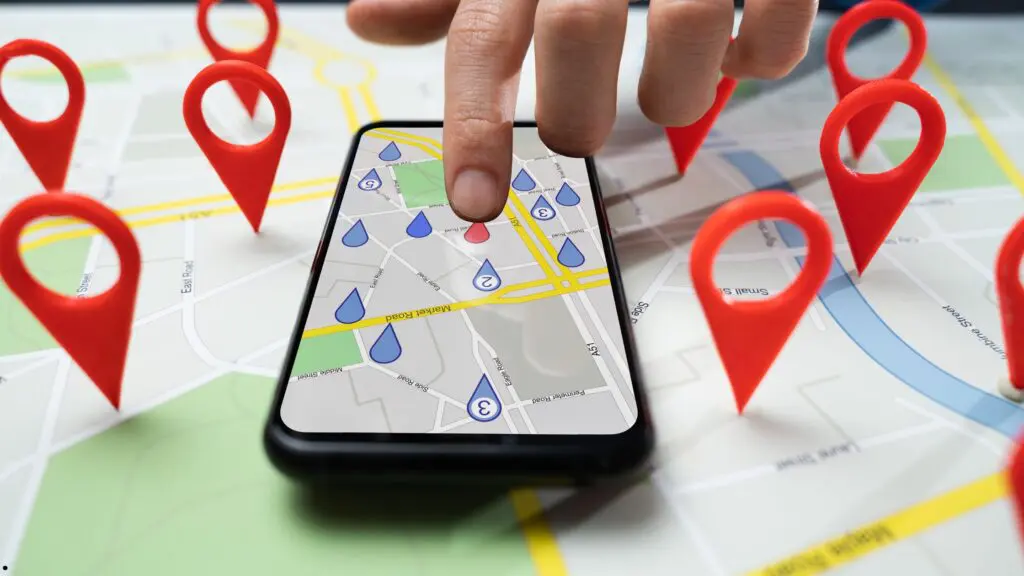
Local search engine optimization determines whether your business appears when nearby homeowners search for services you provide. The foundation starts with claiming and optimizing your Google Business Profile, which displays crucial information directly in search results and Google Maps.
Complete every section of your profile thoroughly: accurate business hours, service areas, high-quality photos, and detailed service descriptions. Encourage satisfied customers to leave reviews, then respond thoughtfully to every review—both positive and negative. This engagement signals active business management to both potential customers and search algorithms.
Consistency matters enormously for local visibility. Ensure your business name, address, and phone number (NAP) match exactly across all online directories, from Yelp to industry-specific platforms. Even minor variations can confuse search engines and dilute your local authority.
Leveraging Paid Advertising Effectively
Pay-per-click advertising offers immediate visibility while you build organic search presence. Google Local Services Ads have become particularly valuable for home service businesses, placing your company at the very top of search results with the coveted “Google Guaranteed” badge after background verification.
These ads operate on a pay-per-lead model rather than pay-per-click, meaning you only pay when potential customers contact you directly through the platform. This structure often provides better return on investment compared to traditional Google Ads, especially for emergency services like plumbing or electrical work.
When creating PPC campaigns, focus on high-intent keywords that indicate immediate service needs: “emergency HVAC repair near me” or “24-hour electrician.” These searches come from homeowners ready to hire immediately, not just browsing for future reference. Geographic targeting ensures your budget reaches only people within your service radius.
Content Marketing That Builds Authority
Educational content establishes your expertise while helping potential customers make informed decisions. Blog posts addressing common problems—”5 Signs Your AC Needs Professional Repair” or “How to Prevent Frozen Pipes This Winter”—attract homeowners researching issues before they become emergencies.
Video content has become exceptionally powerful for home service providers. Simple smartphone videos showing completed projects, explaining maintenance tips, or introducing your team humanize your business and build connection. These don’t require professional production; authenticity often resonates more than polish.
Seasonal content planning keeps your marketing relevant year-round. HVAC companies should emphasize cooling efficiency before summer and heating system maintenance before winter. Landscaping businesses can create spring planting guides and fall cleanup checklists. This proactive approach positions you as the go-to expert when homeowners need services.
Social Media Presence Done Right
Social media marketing for home services differs significantly from other industries. Platforms like Facebook and Instagram allow you to showcase completed projects visually while engaging directly with your community. NextDoor has become particularly valuable, as it’s specifically designed for neighborhood recommendations and local service discovery.
Share project photos regularly, always highlighting the transformation from problem to solution. Behind-the-scenes content showing your team at work builds familiarity and trust. Respond quickly to comments and messages—potential customers often evaluate responsiveness on social media as a preview of your actual service quality.
Paid social advertising enables precise demographic and geographic targeting. Facebook’s lead generation ads can capture contact information without requiring users to leave the platform, reducing friction in the conversion process. Test different ad formats to discover what resonates with your local audience.
Managing Your Online Reputation
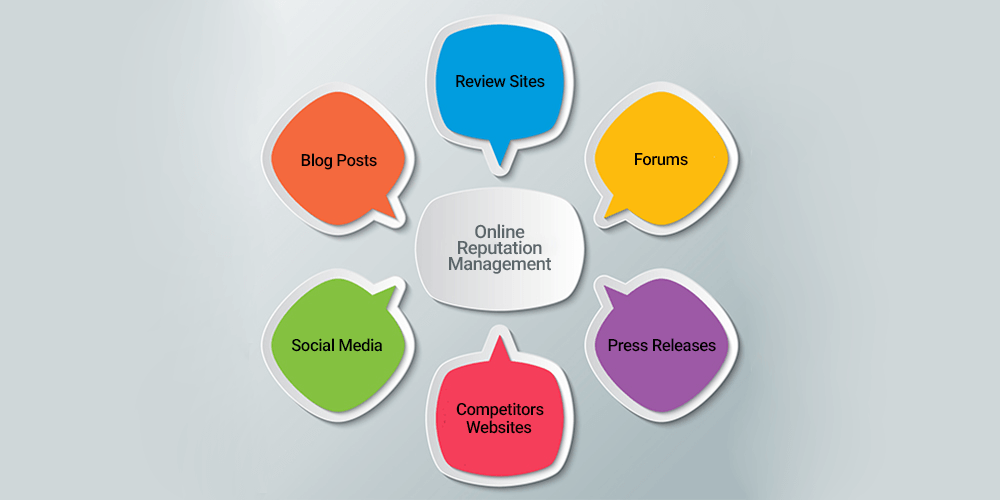
Online reviews have become the modern equivalent of word-of-mouth recommendations, perhaps even more powerful. Research consistently shows that over 90% of homeowners read reviews before hiring service providers, with many refusing to consider businesses rated below four stars.
Develop systematic processes for requesting reviews from satisfied customers. Send follow-up emails within a day or two of service completion, including direct links to your preferred review platforms. Make the process as effortless as possible—convenience dramatically increases participation rates.
Negative reviews require careful, professional responses. Never argue or become defensive. Instead, acknowledge the concern, explain your perspective calmly, and offer to resolve the situation offline. Potential customers reading these exchanges judge your professionalism and problem-solving approach, not whether every job went perfectly.
Measuring What Matters
Effective marketing requires tracking results systematically. Call tracking systems reveal which campaigns generate phone inquiries, while website analytics show which content attracts visitors and converts them into leads. Customer relationship management software helps monitor the entire journey from initial contact through completed job and follow-up opportunities.
Focus on metrics that connect directly to business outcomes: cost per lead, lead-to-customer conversion rate, and customer acquisition cost. Vanity metrics like website traffic or social media followers matter less than whether your marketing investment generates profitable work.
Conclusion
Home services marketing succeeds through consistent execution across multiple channels, not overnight transformations. Start by establishing a solid foundation with an optimized website and Google Business Profile. Layer in content creation and review generation to build authority and trust. Finally, supplement organic growth with targeted paid advertising for immediate results.
The businesses thriving in today’s competitive landscape share one characteristic: they commit to marketing as an ongoing investment rather than an occasional expense. Begin implementing two or three strategies from this guide immediately, measure results carefully, and expand gradually as you discover what works best for your specific market and services.
