

The digital landscape has transformed how businesses connect with customers, and at the heart of this transformation are search engine optimizers—professionals who bridge the gap between websites and their target audiences. These specialists work tirelessly behind the scenes to ensure that when someone searches for a product, service, or information online, the right websites appear at the right time.
In today’s competitive online environment, simply having a website isn’t enough. Businesses need visibility, and that’s exactly where search engine optimization experts come into play. They combine technical knowledge, creative thinking, and analytical skills to help websites climb the search rankings and attract organic traffic. Whether you’re considering hiring an SEO specialist or thinking about becoming one yourself, understanding what these professionals do and how they create value is essential.
This comprehensive guide explores the world of search engine optimizers, from their daily responsibilities to the tools they use and the skills that set successful practitioners apart from the rest.
What Are Search Engine Optimizers?
Search engine optimizers are digital marketing professionals who specialize in improving website visibility on search platforms like Google, Bing, and Yahoo. Their primary goal is to increase organic (non-paid) traffic by making websites more attractive to search engine algorithms while simultaneously enhancing user experience.
Unlike paid advertising specialists who focus on immediate visibility through ads, SEO professionals build long-term sustainable growth. They analyze how search engines interpret and rank content, then apply that knowledge to help websites earn higher positions in search results. This involves a combination of technical adjustments, content optimization, and strategic planning.
The profession has evolved significantly since the early days of the internet. What once involved simple keyword stuffing and basic link exchanges has become a sophisticated discipline requiring deep understanding of user behavior, technical infrastructure, and content quality. Modern SEO specialists must stay current with constant algorithm updates and shifting best practices.
Core Responsibilities of Search Engine Optimizers
Keyword Research and Analysis
Every successful SEO strategy begins with understanding what people are actually searching for. Search engine optimization experts spend considerable time researching keywords—the phrases and terms potential customers type into search boxes. This research goes beyond finding high-volume keywords; it involves understanding search intent, competition levels, and which terms are most likely to convert visitors into customers.
The process involves analyzing search trends, studying competitor strategies, and identifying gaps in the market. A skilled SEO professional knows how to balance high-competition keywords with long-tail phrases that might bring smaller but more targeted traffic.
On-Page Optimization Techniques
On-page optimization refers to everything directly controllable on a website. This includes optimizing title tags, meta descriptions, header tags, and content structure. Search engine optimizers ensure that each page clearly communicates its topic to both users and search engines.
They also focus on improving content quality, making sure it’s comprehensive, accurate, and genuinely helpful to readers. This involves strategic keyword placement without over-optimization, creating engaging multimedia elements, and ensuring proper internal linking structures that help visitors navigate the site easily.
Technical SEO Audits and Fixes
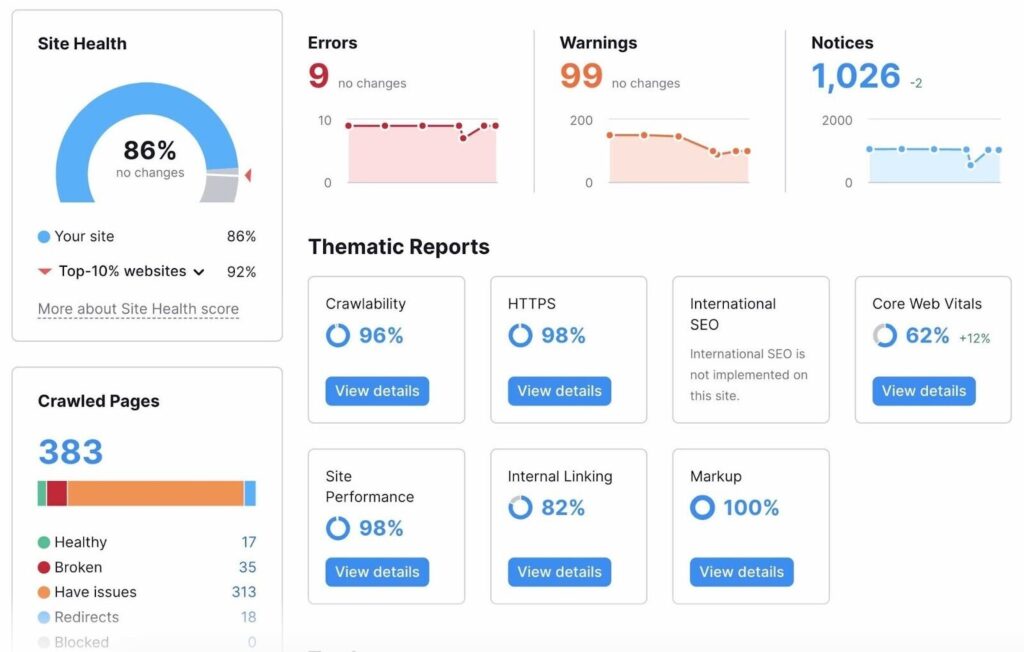
The technical side of optimization often separates amateur efforts from professional work. SEO specialists conduct thorough audits to identify issues that might prevent search engines from properly crawling and indexing a website. This includes fixing broken links, improving site speed, ensuring mobile responsiveness, and implementing proper URL structures.
They work with developers to resolve technical problems like duplicate content, incorrect redirects, or poorly configured XML sitemaps. These behind-the-scenes improvements might not be visible to users, but they’re crucial for search engine performance.
Link Building and Outreach
External links pointing to a website serve as votes of confidence in the eyes of search engines. Search engine optimizers develop strategies to earn high-quality backlinks from reputable sources. This involves creating content worth linking to, building relationships with industry influencers, and sometimes conducting outreach campaigns.
Modern link building focuses on quality over quantity. A single link from an authoritative industry publication can be more valuable than dozens of links from low-quality directories.
Performance Tracking and Reporting
Data drives every decision in professional optimization work. SEO specialists continuously monitor website performance using various analytics tools. They track rankings for target keywords, analyze traffic patterns, measure conversion rates, and identify areas for improvement.
Regular reporting helps clients or stakeholders understand the value being created. Effective reports translate complex data into actionable insights and demonstrate return on investment.
Essential Skills for Search Engine Optimizers
Success in this field requires a unique combination of abilities. Technical skills form the foundation—understanding basic HTML, CSS, and how websites function helps optimizers communicate effectively with developers and implement changes directly when needed.
Analytical thinking is equally important. SEO professionals must interpret large amounts of data, identify patterns, and make informed decisions based on metrics rather than assumptions. They need to understand cause and effect, recognizing which changes led to specific outcomes.
Content skills matter tremendously. While optimizers don’t always create content themselves, they must understand what makes content engaging and effective. Many successful specialists have strong writing abilities that help them craft compelling meta descriptions, page titles, and content briefs.
Staying current is non-negotiable in this rapidly evolving field. Algorithm updates, new technologies, and shifting user behaviors mean that what worked last year might not work today. Continuous learning through industry blogs, conferences, and experimentation keeps professionals at the top of their game.
Communication skills often determine whether an SEO specialist succeeds or struggles. Explaining technical concepts to non-technical clients, collaborating with content creators and developers, and managing expectations all require clear, effective communication.
Tools Used by Search Engine Optimizers
Professional optimizers rely on specialized software to perform their work efficiently. Keyword research platforms help identify opportunities and assess competition. Analytics tools provide insights into how visitors interact with websites and where traffic originates.
Technical audit software crawls websites similarly to how search engines do, identifying issues that need attention. Backlink analysis tools help understand a site’s link profile and identify opportunities for building new connections. Rank tracking solutions monitor where websites appear in search results for target keywords over time.
While tools make work easier and more efficient, experienced professionals know they’re supplements to human insight, not replacements for it. The best search engine optimization experts combine tool data with strategic thinking and industry knowledge.

How Search Engine Optimizers Improve Rankings
The path to better rankings starts with understanding what search engines actually want to deliver to users—the most relevant, helpful, and trustworthy results possible. Optimizers align websites with these goals by ensuring content genuinely addresses user needs and questions.
They create comprehensive resources that go beyond superficial coverage of topics. When someone searches for information, they should find complete answers rather than partial content designed primarily to rank well. This approach to content creation naturally incorporates relevant keywords and topics without forced or awkward placement.
Building domain authority happens gradually through consistent quality work. As a website earns links from respected sources, publishes valuable content regularly, and develops a reputation for reliability, search engines increasingly trust its content for relevant queries.
User experience signals play an increasingly important role in rankings. Sites that load quickly, work well on mobile devices, and keep visitors engaged tend to perform better. Optimizers work to ensure technical performance matches content quality.
Hiring a Search Engine Optimizer: What to Look For
When businesses need SEO help, choosing the right professional or agency can feel overwhelming. Start by examining credentials and experience—how long have they worked in the field, and what results have they achieved for similar businesses?
Request case studies or examples of previous work. Reputable optimizers can demonstrate specific improvements they’ve delivered for clients, backed by data. Be wary of anyone promising immediate results or guaranteed rankings—legitimate professionals know that optimization takes time and that no one can guarantee specific positions.
Understanding your industry matters significantly. An optimizer familiar with your business sector will grasp your audience, competitors, and unique challenges more quickly. They’ll also have insights into what strategies work best in your space.
Transparent reporting practices indicate professionalism. You should receive regular updates that clearly explain what work has been completed, what results have been achieved, and what’s planned next. Avoid anyone unwilling to explain their methods or who uses vague terminology.
The Future of Search Engine Optimization
The field continues evolving as search engines become more sophisticated and user expectations rise. Voice search, artificial intelligence, and changing device usage patterns all influence how optimization work gets done. Successful professionals adapt to these changes while maintaining focus on fundamental principles—creating value for users and building trustworthy, authoritative websites.
For businesses, investing in quality optimization work remains one of the most effective marketing strategies available. For individuals considering careers in this space, the combination of technical challenge, creative problem-solving, and measurable impact makes it an engaging and rewarding profession.
