

The landscape of online business promotion has become extraordinarily complex. Between search engine optimization, social media advertising, content marketing, email campaigns, conversion optimization, and analytics interpretation, most business owners feel overwhelmed trying to master every digital marketing discipline while simultaneously running their operations. You understand that effective online promotion drives customer acquisition and revenue growth, yet the technical knowledge, strategic thinking, and consistent execution required often exceed what busy entrepreneurs can manage alone.
This challenge explains the rising demand for specialized coaching focused specifically on online promotion strategies. Unlike consultants who execute work for you or agencies that package multiple services together, coaches empower you to develop capabilities internally through structured guidance, accountability, and expert feedback. They teach you the strategic thinking behind successful campaigns, help you avoid costly mistakes, and accelerate your learning curve by decades compared to trial-and-error experimentation. For business owners committed to understanding and ultimately owning their marketing strategy, coaching provides transformative value.
However, the coaching industry lacks regulation and standardization. Anyone can claim coaching expertise regardless of actual results achieved or teaching ability demonstrated. Prices range from a few hundred dollars for group programs to tens of thousands for intensive private mentorship. Some coaches genuinely transform businesses through systematic guidance and accountability, while others deliver generic advice available free online wrapped in motivational language. Distinguishing truly valuable coaching from expensive cheerleading requires understanding what effective coaches actually provide and how to evaluate competing options.
This comprehensive guide explores everything you need to know about engaging professional coaching for your online promotion efforts—what coaches do, how they differ from consultants and agencies, how to choose practitioners who deliver genuine value, realistic pricing expectations, and how to structure coaching relationships that accelerate your business growth. Whether you’re struggling with strategy development, seeking accountability for consistent execution, or wanting to develop internal capabilities without full-time hires, understanding coaching helps you make informed decisions about this increasingly popular service category.
Understanding What Digital Marketing Coaches Actually Do
Coaching relationships center on teaching, guidance, and accountability rather than hands-on implementation. Coaches help you develop strategic thinking about how online promotion drives business results, teach you to execute tactics effectively, hold you accountable for consistent action, and provide expert feedback improving your decision-making over time. This educational approach builds internal capabilities that persist long after coaching relationships end, contrasting with consultant or agency relationships where value delivery stops when you stop paying.
The coaching process typically begins with comprehensive assessments evaluating your current marketing activities, identifying strengths to leverage and gaps requiring attention, and establishing clear goals defining success. Coaches analyze your existing efforts objectively, often revealing why previous initiatives disappointed and what fundamental strategic or tactical problems limited results. This diagnostic phase establishes baselines and creates shared understanding about where you are, where you want to go, and what stands between current reality and desired outcomes.
Strategy Development and Planning
Strategy development forms a core coaching function distinguishing quality practitioners from those offering generic tactical advice. Effective coaches help you understand your specific target audience’s characteristics, pain points, and decision-making processes. They guide competitive analysis revealing what rivals do effectively and where opportunities exist for differentiation. They facilitate goal-setting that connects marketing activities to business outcomes rather than vanity metrics. This strategic foundation ensures subsequent tactical work focuses on activities genuinely driving business results.
Planning support translates strategy into actionable roadmaps with specific initiatives, timelines, resource requirements, and success metrics. Coaches help you prioritize among countless possible marketing activities, focusing limited time and budget on highest-impact initiatives. They create realistic implementation schedules accounting for your available resources rather than overwhelming you with more work than you can possibly execute. This planning discipline prevents the scattered, reactive marketing characterizing most struggling businesses.
Skill Development and Training
Skill development through structured teaching represents coaching’s most distinctive value proposition. Rather than doing work for you, coaches teach you to execute effectively yourself or guide your team competently. This might include content writing skills enabling you to create compelling blog posts, social media advertising expertise allowing you to manage campaigns profitably, SEO knowledge helping you optimize content for search visibility, or analytics interpretation skills revealing what’s working versus what’s wasting money.
Training delivery varies by coach methodology and your learning preferences. Some provide recorded video lessons with accompanying exercises and assignments. Others conduct live training sessions via video calls demonstrating tactics and answering questions real-time. Many combine approaches, offering structured curriculum through recorded content while providing personalized guidance during regular coaching calls. The most effective training balances theoretical understanding explaining why tactics work with practical application ensuring you can actually implement successfully.
Accountability and Implementation Support
Accountability functions as perhaps coaching’s most underrated yet valuable element. Most people know what they should do to improve their marketing but struggle with consistent execution amid competing priorities and daily operational demands. Coaches provide external accountability through regular check-ins, progress reviews, and honest assessments when you’re not following through on commitments. This accountability often proves more valuable than tactical advice because execution, not knowledge, determines results.
Implementation support helps you overcome obstacles inevitably arising during execution. Coaches troubleshoot technical problems, provide feedback on your work before publishing or launching, suggest adjustments improving effectiveness, and help you interpret results determining what’s working. This real-time support accelerates learning by catching mistakes early, preventing costly errors, and building confidence through guided initial implementations before you’re executing independently.
How Coaching Differs from Agencies and Consultants
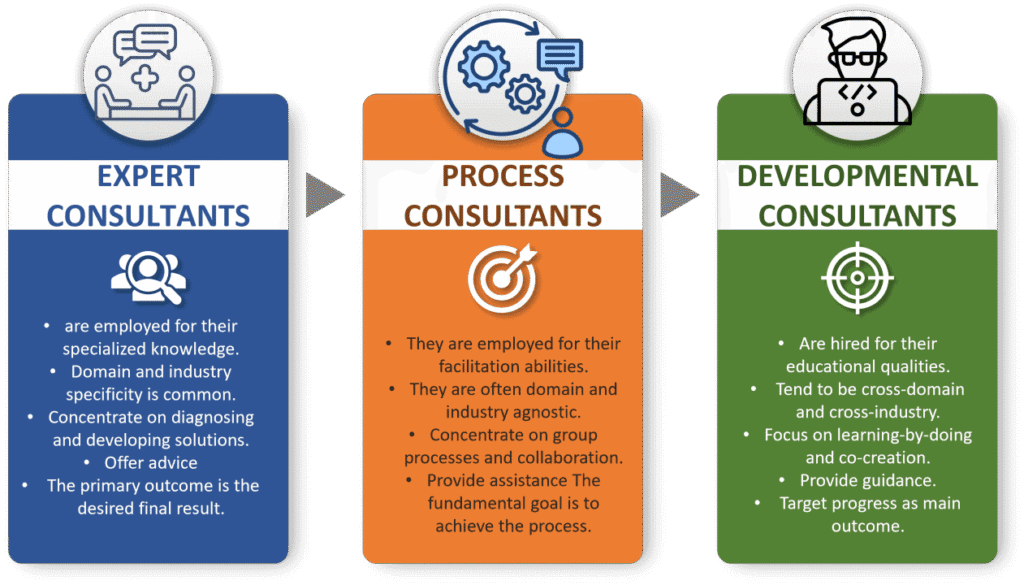
Understanding distinctions between coaching, consulting, and agency services helps you determine which model suits your situation, budget, and desired outcomes. Each approach offers unique advantages and limitations, with the right choice depending on your specific circumstances and goals.
The Coaching Model: Building Internal Capabilities
Coaching emphasizes teaching and capability development, investing in your ability to manage marketing internally over time. This model suits businesses wanting to reduce dependence on external providers, entrepreneurs committed to understanding their marketing deeply, and organizations building in-house marketing teams requiring structured guidance during skill development. Coaching delivers long-term value through transferred knowledge and developed capabilities that persist after coaching relationships conclude.
The primary limitation involves implementation responsibility remaining with you. Coaches provide guidance and feedback but don’t execute campaigns, create content, or manage technical implementations. If you lack time for execution or prefer outsourcing implementation entirely, coaching alone may not suffice. However, many businesses successfully combine coaching for strategy and skill development with virtual assistants or freelancers handling execution under your newly competent direction.
The Consulting Model: Expert Strategy and Planning
Consultants provide strategic recommendations and detailed implementation plans but typically don’t handle execution unless separately engaged for implementation work. This model suits businesses with internal resources capable of executing against clear plans but lacking strategic direction or specialized expertise. Consultants diagnose problems, recommend solutions, and create roadmaps, but your team must implement or you must hire additional resources for execution.
Consulting relationships typically involve intensive short-term engagements producing comprehensive deliverables—strategy documents, audit reports, implementation plans—rather than ongoing relationships. This creates distinct value delivery but less ongoing support compared to coaching’s extended relationships with continuous guidance and accountability.
The Agency Model: Full-Service Execution
Agencies handle both strategy and implementation, managing campaigns end-to-end while you focus on other business priorities. This model suits businesses preferring to outsource marketing entirely, organizations lacking internal resources for execution, or companies in highly competitive markets requiring dedicated specialist attention. Agencies deliver results without requiring your time beyond providing input, approving work, and reviewing performance.
The tradeoff involves ongoing dependence and typically higher costs. When you stop paying agencies, implementation stops and knowledge remains with them rather than transferring to you. For businesses comfortable with this arrangement and able to sustain ongoing investment, agencies provide excellent solutions. However, entrepreneurs wanting to develop internal capabilities or reduce long-term external dependence often find coaching more valuable despite requiring more personal involvement.
Choosing the Right Digital Marketing Coach
Selecting a coach requires evaluating credentials, teaching methodology, personality fit, and evidence of actual results achieved by previous clients. The coaching industry’s lack of regulation means anyone can claim expertise, making due diligence essential for avoiding expensive disappointments.
Evaluating Coach Credentials and Experience
Practical marketing experience provides coaches with real-world knowledge that purely academic understanding lacks. Inquire about coaches’ backgrounds—have they successfully grown their own businesses through marketing? Have they worked in marketing roles for companies? Have they achieved specific, verifiable results? Coaches who’ve successfully navigated challenges you face bring valuable perspective and credibility that those without direct experience cannot match.
Teaching ability matters equally to marketing expertise. Someone might be an exceptional practitioner but poor teacher unable to explain concepts clearly or adapt instruction to different learning styles. During initial consultations, assess whether coaches communicate clearly, answer questions helpfully, and demonstrate patience with your current knowledge level. The best practitioners don’t necessarily make the best teachers—you need coaches combining both marketing competence and teaching skill.
Client results provide the strongest evidence of coaching effectiveness. Ask prospective coaches for case studies or client references demonstrating specific outcomes achieved through their guidance. Be specific—request examples of clients in similar situations who achieved results you seek. Generic testimonials praising coaches’ motivational style or knowledge provide less value than detailed examples showing clients who didn’t know how to run Facebook ads now managing profitable campaigns independently.
Questions That Reveal Coach Quality
“What specific results have your clients achieved through your coaching?” separates coaches with documented impact from those offering primarily motivational support without measurable outcomes. Strong coaches provide concrete examples: “I helped a service business owner increase qualified leads from 5 to 30 monthly through LinkedIn content strategy,” or “A client reduced customer acquisition cost by 40% after implementing the conversion optimization framework I taught them.” Vague claims about “transformation” or “breakthroughs” without specific metrics suggest limited measurable impact.
“What does your coaching process actually involve?” reveals structure and methodology. Quality coaches describe systematic approaches—initial assessments establishing baselines, structured curriculum covering essential topics, regular accountability calls reviewing progress, ongoing access for questions between sessions, and clear milestones marking skill development. Coaches unable to articulate clear processes may operate reactively without proven frameworks, limiting their effectiveness.
“How do you tailor coaching to individual businesses versus teaching generic strategies?” exposes whether coaches provide personalized guidance or one-size-fits-all advice. Effective coaches explain how they assess your specific situation, competitive landscape, target audience, and resources, then adapt teachings accordingly. Coaches promoting rigid systems every business must follow regardless of circumstances likely deliver misaligned guidance ineffective for your unique situation.
Pricing and Investment Expectations
Coaching costs vary dramatically based on delivery format, coach experience, program comprehensiveness, and whether engagement involves group or individual coaching. Understanding typical pricing structures helps you budget appropriately and evaluate whether specific offerings represent fair value.
Typical Coaching Pricing Models
Group coaching programs represent the most affordable entry point, typically ranging £500-£3,000 for multi-week or multi-month programs. These programs involve cohorts of business owners progressing through structured curriculum together, with coaches providing teaching, answering questions, and offering limited personalized feedback. Group settings provide networking value and reduce per-person costs but offer less individual attention and customization compared to private coaching.
One-on-one coaching commands premium pricing reflecting dedicated attention and fully customized guidance. Expect monthly investments of £1,000-£5,000 depending on coach reputation, session frequency, and support level between sessions. Established coaches with proven track records and high demand often charge £3,000-£5,000+ monthly for intensive private coaching including multiple calls weekly, unlimited email access, and comprehensive curriculum. Less experienced coaches or those offering less intensive programs may charge £1,000-£2,000 monthly for weekly calls with limited between-session support.
Hybrid models combine elements of group and private coaching, such as group teaching sessions with periodic one-on-one strategy calls. These programs typically cost £2,000-£4,000 for multi-month engagements, balancing affordability with personalized attention. The group component provides peer learning and networking while private sessions address your specific challenges requiring individual guidance.
What Influences Coaching Investment?
Coach reputation and track record significantly impact pricing. Well-known coaches with bestselling books, popular podcasts, or proven results commanding premium prices reflecting market demand for their expertise. Less established coaches often charge less as they build portfolios and reputations. While established coaches’ higher prices reflect proven value, newer coaches sometimes provide excellent service at better value as they establish themselves.
Program comprehensiveness affects pricing through curriculum depth, support availability, and engagement duration. Intensive programs including extensive recorded training, weekly group calls, bi-weekly private sessions, unlimited email support, and comprehensive resource libraries justify higher investment than basic programs offering weekly calls and minimal additional resources. Evaluate what’s included ensuring pricing aligns with actual value delivered.
Your business stage and complexity influences appropriate investment levels. Early-stage entrepreneurs with limited marketing knowledge might begin with affordable group programs building foundational understanding before graduating to private coaching addressing sophisticated growth challenges. Established businesses with substantial revenue and complex marketing needs often find private coaching’s customization and dedicated attention worth premium pricing through accelerated problem-solving and avoided costly mistakes.
Getting Maximum Value from Coaching Relationships
Coaching effectiveness depends heavily on your engagement level and how you approach the relationship. Passive participants hoping coaches will solve problems for them typically achieve disappointing results, while actively engaged clients implementing guidance consistently often exceed initial expectations.
Preparing for Coaching Success
Clear goal definition before beginning coaching ensures alignment between your expectations and coach’s approach. Specify what success looks like—”increase qualified leads by 50%,” “launch profitable Facebook ad campaigns,” “build content marketing system generating consistent traffic,” or similar concrete outcomes. Vague goals like “improve marketing” or “get more customers” provide insufficient direction for focused coaching.
Honest self-assessment about available time for implementation prevents unrealistic expectations. Coaching requires your active participation—attending calls, completing assignments, implementing recommendations, and reporting results. If you can only dedicate 2-3 hours weekly to marketing, be upfront so coaches develop realistic plans rather than suggesting strategies requiring 10+ hours you don’t have.
Openness to feedback and willingness to challenge assumptions enables learning and growth. Coaches will identify problems with your current approaches, suggest counterintuitive strategies, and push you outside comfort zones. Clients defensively rejecting feedback or insisting their way is right despite poor results limit coaching effectiveness. Successful coaching requires some humility and willingness to try new approaches.
Maximizing Ongoing Coaching Value
Active participation during sessions through questions, scenario discussions, and problem-solving maximizes learning. Come prepared with specific challenges requiring guidance, examples of work for feedback, or strategic decisions needing input. Passive attendance where coaches do all talking provides less value than engaged collaboration where you’re actively applying concepts to your situation.
Consistent implementation between sessions determines whether coaching translates into actual results. The best coaching in the world delivers zero value if you don’t implement recommendations. Schedule dedicated time for marketing work, treat coaching assignments as seriously as client commitments, and maintain momentum even when busy with operational demands. Coaches can guide and support, but only your consistent action produces results.
Honest progress reporting enables coaches to provide valuable feedback and course corrections. Don’t hide struggles or pretend you completed work when you didn’t. Coaches need accurate information about what you’ve attempted, what worked, what didn’t, and where you got stuck to provide useful guidance. Transparency maximizes coaching value by ensuring support addresses your actual situations rather than imagined scenarios.
