

The explosive growth of online business has created unprecedented demand for skilled marketing professionals who understand how to attract customers, build brands, and drive revenue through digital channels. Companies across every industry now compete for limited talent pools of specialists who can navigate complex advertising platforms, optimize search visibility, create compelling content, analyze data insights, and adapt strategies as technologies and consumer behaviors evolve. This talent scarcity has transformed recruitment from a routine HR function into a strategic competitive advantage—organizations that consistently hire excellent marketers grow faster than those struggling with vacant positions or underperforming teams.
However, hiring for these roles presents unique challenges absent from traditional recruitment. Digital marketing encompasses dozens of specialized disciplines from SEO and PPC to social media, content strategy, marketing automation, and analytics. Candidates often claim expertise they don’t genuinely possess, making assessment difficult for hiring managers unfamiliar with technical nuances. The field evolves rapidly as platforms change, algorithms update, and new channels emerge, meaning yesterday’s expert may lack today’s critical skills. Compensation expectations have escalated dramatically as demand outstrips supply, with skilled practitioners commanding premium salaries and multiple competing offers.
Successful digital marketing recruitment requires understanding which roles you actually need, how to source candidates in competitive markets, effective assessment methods distinguishing genuine expertise from superficial knowledge, competitive compensation structures, and retention strategies keeping talented marketers engaged long-term. Generic recruitment approaches designed for traditional roles often fail when applied to marketing positions, resulting in prolonged vacancies, poor hiring decisions, or rapid turnover that disrupts campaigns and wastes onboarding investments.
This comprehensive guide explores everything organizations need to know about building exceptional marketing teams—defining roles clearly, sourcing qualified candidates, assessing technical and strategic capabilities, structuring competitive offers, and creating environments where talented marketers thrive. Whether you’re hiring your first marketer or building a comprehensive team, these insights help you compete effectively for talent that drives measurable business growth.

Understanding Digital Marketing Roles and Specializations
Modern marketing teams comprise numerous specialized roles, each requiring distinct skill sets and experience. Understanding these specializations helps you define positions accurately, assess candidates appropriately, and build balanced teams with complementary capabilities.
Core Marketing Roles Organizations Need
Search engine optimization specialists focus on improving organic visibility through technical website optimization, content strategy, link building, and algorithmic understanding. Strong SEO professionals combine technical web development knowledge with content marketing skills and analytical thinking. They understand how search engines work, stay current with algorithm updates, and translate technical concepts into actionable strategies. When hiring for SEO roles, assess technical depth, content creation abilities, link acquisition expertise, and analytical capabilities demonstrating they can connect optimization activities to business outcomes.
Pay-per-click specialists manage paid advertising campaigns across platforms like Google Ads, Facebook, LinkedIn, and emerging channels. Excellent PPC marketers understand bidding strategies, audience targeting, ad creative development, landing page optimization, and data analysis revealing campaign performance. They balance creative thinking with analytical rigor, continuously testing hypotheses and optimizing based on results. Assess PPC candidates on platform expertise, analytical capabilities, creative judgment, and most importantly their track record delivering positive return on ad spend.
Content marketing managers develop strategies and oversee creation of blog posts, videos, infographics, guides, and other materials attracting and engaging audiences. They understand audience research, editorial planning, SEO integration, promotion strategies, and performance measurement. Strong content leaders combine creative vision with strategic thinking and project management skills coordinating writers, designers, and other contributors. Evaluate content candidates on strategic thinking, writing ability, editorial judgment, and examples of content programs they’ve built that drove measurable results.
Social media managers build brand presence, engage communities, and drive business objectives across social platforms. They understand platform-specific best practices, content formats that perform, community management, paid social advertising, influencer relationships, and crisis management. Excellent social marketers combine creativity with data orientation, testing content approaches and optimizing based on engagement metrics. Assess social candidates on platform knowledge, creative abilities, community engagement skills, and analytics demonstrating they connect social activities to business goals.
Marketing automation and email specialists design customer journeys, build automated campaigns, segment audiences, and optimize conversion paths. They understand marketing automation platforms, email deliverability, personalization techniques, testing methodologies, and database management. Strong automation marketers combine technical platform knowledge with strategic customer journey thinking and copywriting skills. Evaluate automation candidates on platform expertise, strategic thinking about customer experiences, technical implementation abilities, and results achieved through programs they’ve developed.
Sourcing Candidates in Competitive Markets
Traditional job board postings often prove insufficient for marketing roles given intense competition for qualified candidates. Effective sourcing requires proactive outreach, creative attraction strategies, and differentiated employer branding.
Where to Find Marketing Talent
LinkedIn remains the dominant professional network for marketing recruitment, offering powerful search filters identifying candidates by specific platform expertise, company experience, education, and location. LinkedIn Recruiter subscriptions provide enhanced search capabilities and InMail credits facilitating direct outreach. However, LinkedIn’s ubiquity means talented marketers receive constant recruiter messages, requiring compelling personalized outreach standing out from generic templates.
Specialized marketing job boards like MarketingHire, OnwardSearch, and The Muse attract candidates specifically seeking marketing roles, often delivering higher-quality applicants than generalist boards. Industry-specific boards for your sector—healthcare marketing, SaaS marketing, e-commerce—provide access to candidates with relevant domain expertise.
Marketing communities and Slack groups gather practitioners discussing trends, sharing knowledge, and networking. Groups like Superpath for content marketers, Women in Marketing, or platform-specific communities provide access to engaged professionals who may not actively job hunt but remain open to compelling opportunities. Participating genuinely in these communities before recruiting builds relationships and credibility.
Agency poaching represents a common if controversial sourcing strategy. Agencies develop junior talent into skilled practitioners, making them attractive targets for in-house roles offering better work-life balance and deeper strategic involvement. However, ethical considerations and potential relationship damage with agency partners require careful thought before systematically recruiting from specific firms.
University recruitment and internship programs develop entry-level talent while building your employer brand with emerging marketers. Strong university programs in marketing, communications, or business produce motivated graduates eager to learn. Internship-to-hire pipelines allow extended evaluation periods while providing meaningful work experience candidates value.
Employer Branding and Attraction Strategies
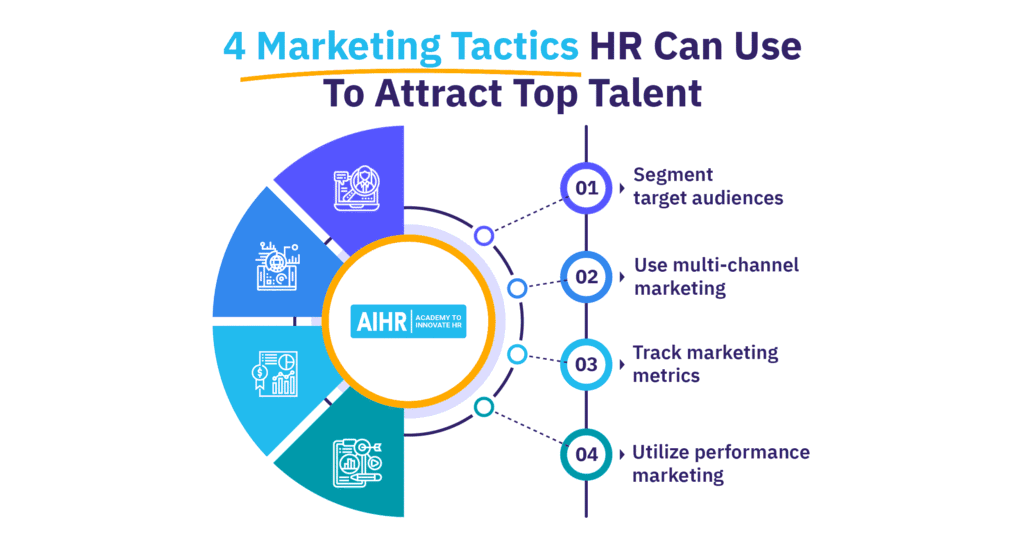
Compelling employer branding differentiates you in markets where talented marketers evaluate multiple opportunities simultaneously. Your employer brand communicates culture, growth opportunities, interesting challenges, and what makes working for your organization unique. Marketing professionals particularly scrutinize how companies market themselves—weak employer branding signals to marketing candidates that you may not value or understand marketing excellence.
Career page optimization ensures your careers section reflects the quality you expect from marketing hires. Include compelling role descriptions highlighting interesting challenges and growth opportunities, employee testimonials sharing authentic experiences, information about your culture and values, details about benefits and perks, and easy application processes respecting candidates’ time. Treat your careers page as you would customer-facing content—because it is marketing, just to potential employees.
Content marketing for recruitment involves creating materials showcasing your workplace culture, team capabilities, and interesting work. Blog posts about marketing challenges your team solves, videos featuring team members discussing their roles, case studies highlighting campaign successes, and social media content revealing your culture all help attract candidates who resonate with your organization.
Assessing Marketing Candidates Effectively
Distinguishing genuinely skilled marketers from those who interview well but perform poorly requires structured assessment approaches evaluating both technical capabilities and strategic thinking.
Technical Skills Assessment
Platform proficiency testing varies by role but should verify candidates actually possess claimed expertise. For PPC candidates, discuss specific campaign optimization scenarios revealing their decision-making frameworks. For SEO candidates, present technical audit findings asking how they’d prioritize fixes. For social media candidates, critique actual posts discussing why certain approaches work better than others. These practical discussions reveal depth far better than asking candidates to describe their experience generically.
Portfolio review provides concrete evidence of past work quality. Request examples of campaigns managed, content created, strategies developed, or other relevant artifacts. Evaluate not just the work quality but how candidates discuss their contributions, challenges overcome, and results achieved. Strong candidates take appropriate credit while acknowledging team contributions and circumstances affecting outcomes.
Take-home assignments test execution capabilities when structured appropriately. Assignments should require 2-4 hours maximum, compensate candidates for their time, and simulate actual work they’d perform in the role. For content roles, request a blog post on an assigned topic. For PPC roles, ask candidates to audit a sample campaign and provide optimization recommendations. For social roles, request a week’s content calendar for your brand. Evaluate both the quality of work and their strategic thinking evident in execution choices.
Cultural Fit and Soft Skills Evaluation
Collaboration and communication abilities matter enormously for marketing roles requiring coordination across departments, vendors, and team members. Assess how candidates discuss working with others, handling disagreements, communicating with non-marketing stakeholders, and navigating organizational dynamics. Marketing operates at the intersection of numerous functions—candidates who work well cross-functionally deliver far more value than brilliant individual contributors who create friction.
Strategic thinking versus tactical execution orientation reveals whether candidates simply execute tasks or think critically about how activities drive business goals. Ask candidates to discuss strategies they’ve developed, how they identified opportunities, why they chose specific approaches, and how they measured success. Strong strategic thinkers connect tactical execution to business outcomes rather than discussing activities in isolation.
Adaptability and learning orientation determine long-term value given marketing’s rapid evolution. Discuss how candidates stay current with industry changes, examples of them learning new platforms or techniques, and how they’ve adapted strategies when circumstances changed. Marketers who continuously learn remain valuable as technologies evolve, while those repeating past approaches become obsolete.
Compensation and Offer Strategies
Competitive compensation structures balance attracting and retaining talent against budget constraints and internal equity considerations. Understanding market rates and total rewards helps you make compelling offers to desired candidates.
Salary Benchmarking and Ranges
Market research establishes appropriate salary ranges preventing both overpaying and losing candidates to better offers. Resources like Glassdoor, PayScale, Robert Half salary guides, and industry surveys provide benchmarking data by role, experience level, and location. Consider that marketing salaries vary significantly by region—London and major cities command premium compensation while smaller markets offer more modest rates.
Experience-based tiers structure compensation recognizing skill development. Entry-level marketers (0-2 years) typically earn £22,000-£32,000. Mid-level practitioners (3-5 years) command £32,000-£50,000. Senior marketers (6-10 years) earn £50,000-£75,000. Leadership roles (managers and directors) range £60,000-£100,000+. Specialized or particularly in-demand skills like marketing automation expertise or advanced analytics command premiums within these ranges.
Benefits and Total Rewards
Beyond base salary, comprehensive benefits packages increase total compensation value. Health insurance, retirement contributions, flexible working arrangements, professional development budgets, and generous paid time off all contribute to offer attractiveness. Marketing professionals particularly value flexibility for work-life balance and development opportunities keeping their skills current.
Equity and bonus opportunities provide upside potential beyond guaranteed compensation. Performance bonuses tied to achieving specific metrics align incentives while allowing more aggressive base salary offers. Equity grants in growth companies or startups help compete with larger firms’ cash compensation through long-term wealth creation potential.
Professional development investments signal commitment to employee growth. Conference attendance allowances, certification and course reimbursement, mentorship programs, and clear advancement paths help attract ambitious marketers seeking continuous skill development rather than just employment.
Retention Strategies for Marketing Talent
Hiring excellent marketers proves worthless if they leave within months. Retention strategies reduce turnover costs while building institutional knowledge and team cohesion that compounds over time.
Creating Engaging Work Environments
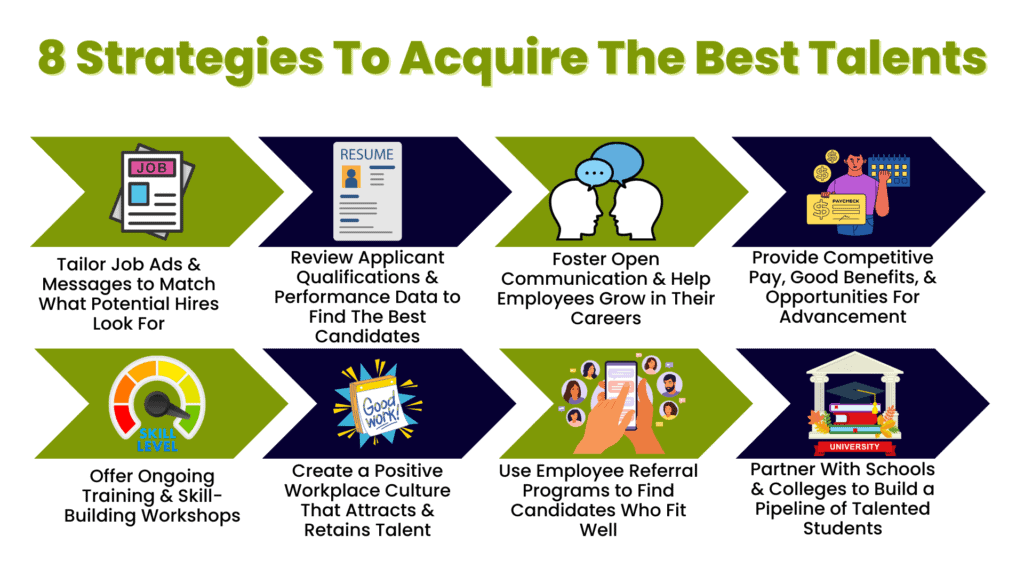
Meaningful work and autonomy matter tremendously to marketing professionals. Marketers want opportunities to develop strategies, not just execute tasks others design. Providing ownership over significant initiatives, involving team members in strategic planning, and allowing creative freedom within agreed parameters increase engagement and job satisfaction.
Growth and advancement opportunities prevent stagnation driving talented marketers toward new opportunities. Clear career paths, regular skill development, exposure to new channels and techniques, and promotional opportunities keep ambitious marketers engaged. Even small organizations can provide growth through expanded responsibilities, leadership of major initiatives, or skill diversification.
Recognition and feedback systems acknowledge contributions while guiding improvement. Marketing work often produces measurable results—celebrating wins when campaigns succeed, sharing results with broader organizations, and providing credit appropriately motivate continued excellence. Regular feedback conversations discussing performance, addressing challenges, and planning development prevent surprises and strengthen relationships.
Building High-Performance Marketing Cultures
Data-driven decision making creates environments where the best ideas win regardless of hierarchy. Encouraging testing, respecting analytics, and making decisions based on evidence rather than opinions attract analytically-minded marketers who value objective assessment over political dynamics.
Collaboration and knowledge sharing prevent silos while accelerating learning. Regular team meetings sharing learnings, documentation of processes and strategies, cross-training on different specializations, and collaborative problem-solving build collective capabilities exceeding individual contributions.
Work-life balance and flexibility prevent burnout common in marketing roles. Campaign launches, seasonal peaks, and urgent issues sometimes require extra hours, but sustainable pace should prevail normally. Flexible schedules, remote work options, and respect for boundaries keep marketers healthy and productive long-term.
Conclusion
Digital marketing recruitment requires specialized approaches recognizing the unique challenges of hiring for rapidly evolving technical roles in competitive talent markets. Success demands clear role definition, understanding specific specializations needed, proactive sourcing reaching beyond traditional job postings, rigorous assessment verifying both technical skills and strategic thinking, competitive compensation reflecting market realities, and retention strategies creating environments where talented marketers thrive long-term.
Organizations building exceptional marketing teams gain sustainable competitive advantages through superior customer acquisition, brand building, and revenue growth. These advantages compound as teams develop institutional knowledge, refine strategies through experience, and build capabilities competitors cannot easily replicate. The investment in recruitment excellence—time spent properly defining roles, resources committed to competitive compensation, and effort building engaging cultures—pays dividends through years of superior marketing performance.
Ready to build or strengthen your marketing team? Begin by honestly assessing your current capabilities and identifying specific gaps, clearly defining roles with detailed responsibilities and required skills, establishing competitive compensation benchmarks for your market, developing compelling employer branding showcasing what makes your organization attractive, and implementing structured assessment processes distinguishing genuine expertise from interview performance. The effort invested in recruitment excellence transforms marketing from cost center into reliable growth driver powered by exceptional talent.
