

Understanding how your website performs in search engine results has become increasingly sophisticated. Gone are the days when simple rank checking tools provided sufficient insights. Modern digital marketing demands deeper analytics that connect search appearance with actual user behavior and business outcomes. This is where the intersection of pixel tracking and SERP visibility creates powerful opportunities for optimization.
Search engine results pages represent the gateway between potential customers and your content. Your position on these pages directly influences how many people see your listing, whether they click through, and ultimately if they convert into customers. However, simply knowing your ranking position tells only part of the story. You need to understand what happens after users click—how they interact with your content, whether they find what they’re looking for, and if they complete desired actions.
Tracking pixels provide this missing layer of intelligence. These small pieces of code, invisible to users, capture detailed information about visitor behavior from the moment they arrive from search results through their entire journey on your site. When properly implemented and analyzed, pixel data reveals patterns that help you optimize not just for higher rankings, but for better business outcomes from organic search traffic.
This comprehensive guide explores how these two critical elements work together. You’ll discover what tracking technology means in the context of search optimization, how to implement monitoring systems effectively, and most importantly, how to use the insights gained to improve both your search presence and conversion performance. Whether you’re managing SEO for a small business or overseeing enterprise-level search strategies, understanding this connection gives you competitive advantages that translate directly into measurable results.
Understanding Pixel Tracking in SEO Context
Pixel tracking technology represents one of the fundamental tools in digital analytics. Despite the name, tracking pixels aren’t actually visible images—they’re tiny pieces of code embedded in web pages that fire when specific conditions are met. When a visitor loads a page containing tracking code, their browser sends information back to analytics servers, capturing data about the visit, the visitor, and their actions.
In the context of search engine optimization, pixels serve multiple purposes beyond basic page view counting. They help you understand which keywords drive valuable traffic, how visitors from organic search behave differently than those from other sources, and whether your content satisfies the intent behind search queries. This behavioral data increasingly influences how search engines evaluate content quality and relevance.
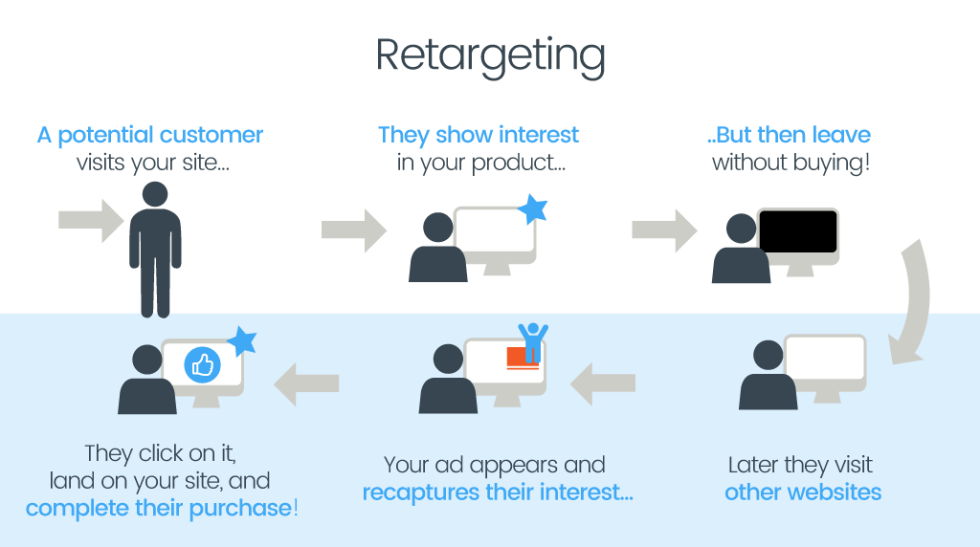
Several types of tracking pixels serve different purposes in digital marketing. Conversion pixels fire when visitors complete specific actions like purchases or form submissions. Retargeting pixels build audiences of site visitors for future advertising campaigns. Analytics pixels collect comprehensive data about user sessions, navigation patterns, and engagement metrics. Each type provides unique insights that inform optimization decisions.
Privacy considerations have become paramount in recent years. Regulations like GDPR in Europe and CCPA in California impose strict requirements on how businesses collect, store, and use visitor data. Modern tracking implementations must balance the need for insights with respect for user privacy. This includes obtaining proper consent, providing transparency about data collection, and offering users control over their information.
SERP Visibility Explained
SERP visibility refers to how prominently your content appears when people search for relevant queries. This concept extends beyond simple ranking position to encompass all the real estate your brand occupies on results pages. Traditional organic listings represent just one component—featured snippets, local map packs, knowledge panels, image results, and video carousels all contribute to overall visibility.
Search engines display results in increasingly diverse formats. Understanding these variations matters because different SERP features capture attention differently and generate varying click-through rates. A featured snippet position, for example, often drives more traffic than even the first traditional organic result because it occupies premium space and directly answers searcher questions.
Multiple factors influence where and how your content appears. Traditional ranking signals like content quality, backlinks, and technical SEO form the foundation. However, search engines also consider user experience metrics, content freshness, entity relationships, and structured data implementation when determining which SERP features to display and which content to highlight.
The distinction between organic and paid visibility creates strategic considerations. Paid search ads occupy prominent positions but require ongoing investment. Organic visibility takes longer to build but provides sustainable traffic without per-click costs. Many successful search strategies combine both approaches, using paid ads for immediate visibility while building organic presence for long-term efficiency.
SERP features dramatically impact click-through rates and traffic distribution. Featured snippets, local packs, and knowledge panels can either steal clicks from traditional results or drive additional traffic by increasing overall result visibility. Understanding which features appear for your target keywords helps you optimize content appropriately to capture these enhanced visibility opportunities.
The Connection Between Pixel Tracking and SERP Visibility
Tracking Search Performance
Monitoring keyword rankings represents the traditional approach to measuring search performance, but modern tracking provides much deeper insights. Pixels allow you to correlate ranking positions with actual traffic, engagement, and conversions. You might rank third for a particular keyword but generate more valuable traffic than the first-position result if your listing better matches user intent.
Impression share data reveals how often your content could appear versus how often it actually does. This metric helps identify opportunity gaps where improved optimization might capture additional visibility. Combined with click-through rate tracking, you gain understanding of both how visible you are and how compelling your search listings appear to potential visitors.
Position tracking accuracy has improved significantly with modern tools. Rather than relying on periodic manual checks, automated systems continuously monitor rankings across different locations, devices, and personalization factors. This granular data helps you understand visibility patterns and quickly identify ranking changes that might require attention.
User Behavior Analytics
Pixels excel at capturing detailed user interaction data that reveals content quality from the searcher’s perspective. When visitors arrive from search results, tracking code monitors what they do—how far they scroll, which elements they click, how long they stay, and whether they complete desired actions. This behavioral data provides insights that ranking position alone cannot reveal.
Bounce rate and dwell time measurements indicate content relevance. If visitors quickly return to search results after clicking your listing, it signals that your content didn’t meet their expectations. Search engines monitor these patterns through their own data collection, so poor user engagement can eventually impact rankings even if your technical SEO is perfect.
Conversion tracking from search traffic connects search optimization directly to business outcomes. By measuring which keywords and landing pages generate actual customers rather than just visitors, you can prioritize optimization efforts based on revenue potential rather than search volume alone. This business-focused approach ensures SEO investments generate measurable returns.
Cross-device tracking capabilities help you understand complete customer journeys that span multiple devices and sessions. Someone might research products on their phone during a lunch break, then return on their desktop computer at home to complete a purchase. Accurate cross-device measurement prevents undervaluing mobile search traffic and helps optimize for multi-touch conversion paths.
Competitive Intelligence
Tracking competitor SERP positions reveals competitive dynamics in your market. Monitoring which competitors rank for your target keywords, what SERP features they capture, and how their visibility changes over time informs strategic decisions about where to focus optimization resources. If competitors consistently outrank you for valuable terms, their content strategies deserve analysis.
Market share analysis quantifies your portion of available search traffic for relevant queries. Even if you rank well for many keywords, understanding what percentage of total potential traffic you capture versus competitors provides context for growth opportunities. Increasing market share often matters more than absolute ranking improvements for specific terms.
Identifying SERP feature opportunities helps you optimize for enhanced visibility formats. If knowledge panels or featured snippets frequently appear for your target keywords but you’re not capturing them, structured data implementation or content reformatting might unlock these premium positions. Competitive tracking reveals which features competitors capture and how frequently different features appear.
Essential Pixel Tracking Tools for SERP Monitoring
Google Analytics and Search Console
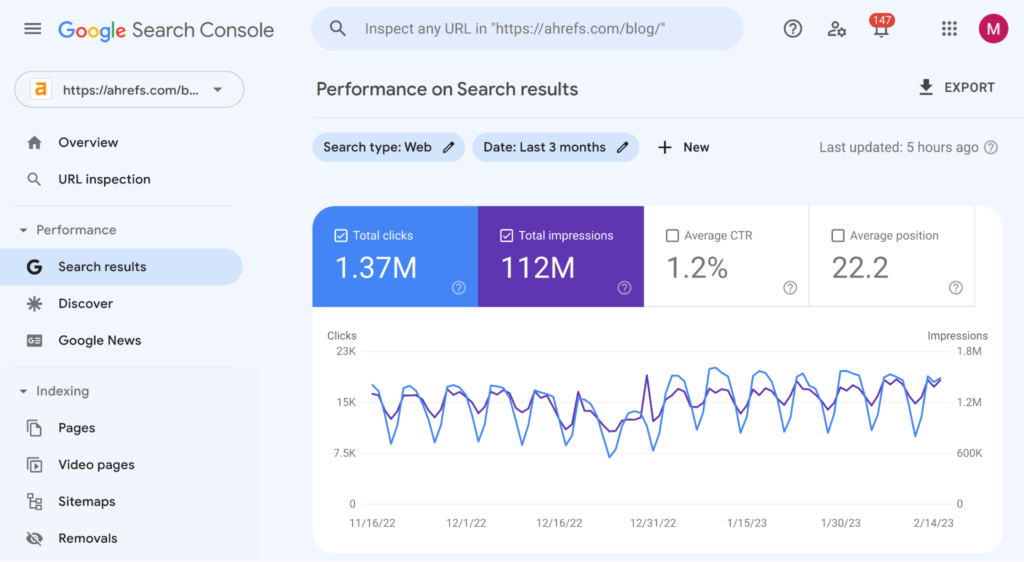
Google’s free analytics platforms provide foundational tracking capabilities that every website should implement. Search Console offers direct insights from Google about how your site performs in search results—which queries trigger impressions, your average positions, click-through rates, and technical issues that might limit visibility. This first-party data comes directly from Google’s search infrastructure.
Setting up tracking codes correctly ensures accurate data collection. Google Analytics implementation typically involves adding a small JavaScript snippet to your site’s header section. Google Tag Manager simplifies this process by providing a container that manages multiple tracking codes without requiring repeated code changes to your website.
Search query performance reports reveal which keywords actually drive traffic to your site. Unlike keyword research tools that estimate search volume, Search Console shows real queries that generated impressions and clicks for your content. This data helps identify optimization opportunities you might not discover through keyword research alone.
Landing page analytics connects search traffic to on-site behavior. By segmenting analytics data to show only visitors from organic search, you can understand how search traffic differs from other sources. Search visitors might have different bounce rates, conversion rates, or navigation patterns that inform optimization strategies specifically for search-driven content.
Third-Party Rank Tracking Tools
Specialized rank tracking platforms provide capabilities beyond what free tools offer. These services continuously monitor keyword positions across multiple search engines, locations, and devices. They track ranking history over time, send alerts about significant changes, and often include competitor tracking features that provide competitive context for your performance.
SEMrush position tracking offers comprehensive monitoring combined with competitive intelligence features. The platform tracks unlimited keywords, monitors SERP features, and provides visibility trends that help you understand whether you’re gaining or losing ground in search results. Integration with other SEMrush tools creates a complete SEO workflow from research through monitoring.
Ahrefs rank tracker emphasizes accuracy and international tracking capabilities. The service monitors rankings across numerous countries and languages, making it valuable for businesses with global reach. Historical data archives let you analyze ranking patterns over extended periods to identify seasonal trends or the long-term impact of optimization changes.
Moz Pro rank tracking provides weekly ranking updates with SERP feature tracking included. The platform’s Page Optimization suggestions combine ranking data with content recommendations, helping you understand not just where you rank but what changes might improve positions for specific keywords.
Heatmap and User Behavior Tools
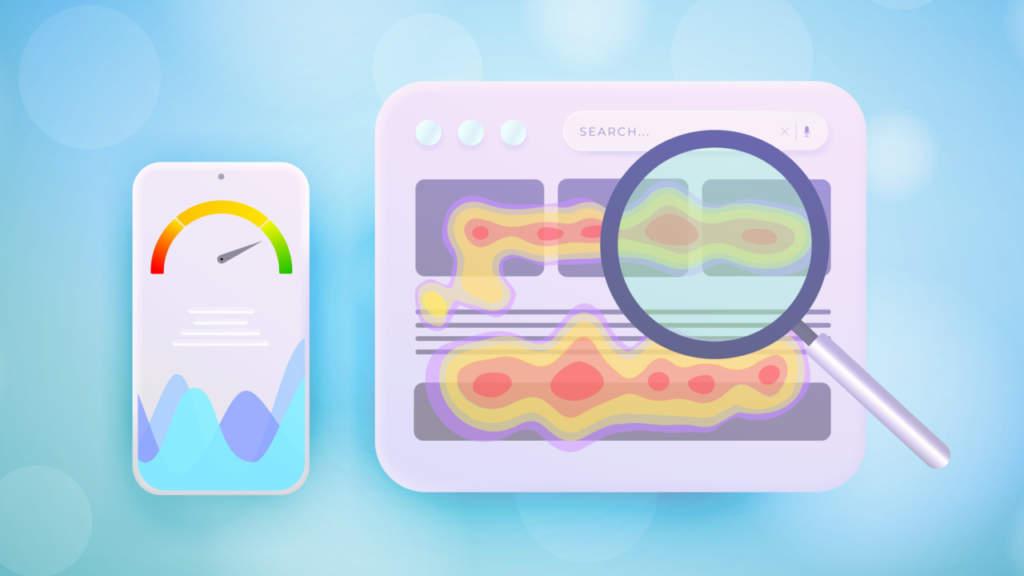
Heatmap technology visualizes how visitors interact with your pages after arriving from search results. These tools create color-coded overlays showing where users click, how far they scroll, and which page elements attract attention. For search-optimized content, heatmaps reveal whether visitors engage with your primary conversion elements or get distracted by less important page components.
Hotjar implementation provides session recordings alongside heatmaps, letting you watch individual visitor sessions to understand exactly how people navigate your content. For landing pages receiving search traffic, these recordings often reveal usability issues or content gaps that prevent conversions despite good ranking positions.
Crazy Egg tracking emphasizes visual reports that make data accessible to non-technical stakeholders. The platform’s scrollmap feature shows what percentage of visitors view different page sections—critical information for optimizing content length and structure for search visitors who arrive with specific intent.
Microsoft Clarity offers completely free session recording and heatmap capabilities backed by Microsoft’s infrastructure. The tool’s automatic insights highlight frustration signals like rage clicks and excessive scrolling that indicate poor user experience. Addressing these issues often improves both conversion rates and the user engagement signals that influence search rankings.
How to Implement Pixel Tracking for SERP Visibility
Define Your Tracking Goals
Successful tracking begins with clear objectives. Before implementing any codes, identify what questions you need answers to. Are you primarily concerned with ranking positions, or do you need to understand user engagement and conversions from search traffic? Different goals require different tracking configurations and tools.
Key performance indicators should align with business objectives rather than vanity metrics. Page views might look impressive, but if those visitors don’t convert into leads or customers, high traffic volumes provide limited value. Define success metrics that connect search performance to revenue, lead generation, or whatever outcomes matter most for your organization.
Establishing baseline metrics before implementing changes provides comparison points for measuring improvement. Document current performance across your chosen KPIs so you can accurately assess whether optimization efforts produce meaningful results. Without baselines, you’ll struggle to demonstrate ROI or make data-driven decisions about resource allocation.
Install Tracking Codes
Google Tag Manager has become the standard for managing multiple tracking implementations. Rather than adding individual tracking codes directly to your website’s source code, Tag Manager provides a single container that manages all your tracking pixels centrally. This approach simplifies implementation, reduces the risk of code conflicts, and makes future changes much easier.
Header versus body placement affects when tracking codes fire and what data they can collect. Most analytics codes belong in the header section so they load before page content, ensuring accurate tracking even if visitors leave quickly. However, some tracking pixels work better in specific page locations depending on what they’re measuring.
Testing pixel firing verifies that tracking codes work correctly before relying on their data. Browser developer tools let you inspect which tracking requests fire when you load pages. This verification step prevents the common problem of making optimization decisions based on incomplete or inaccurate data because tracking codes weren’t properly implemented.
Avoiding duplicate tracking prevents data inflation that makes analysis unreliable. If multiple tracking codes for the same platform exist on your pages, they’ll count visits multiple times. Regular audits of your tracking implementation ensure clean data collection that accurately reflects actual performance.
Using Pixel Data to Improve SERP Visibility
Analyzing user behavior patterns reveals content strengths and weaknesses from the searcher’s perspective. If visitors consistently engage deeply with certain content types or topics, that signals value worth expanding. Conversely, high bounce rates on specific pages indicate disconnects between what search listings promise and what content delivers.
Identifying high-performing content helps you understand what resonates with your audience. Pages that convert search traffic efficiently deserve analysis to understand their success factors. Can you replicate their structure, tone, or content approach in other pages? Often, your best-performing content provides a template for improving underperforming pages targeting similar keywords.
Optimizing for user intent signals requires matching content to what searchers actually want. Pixel data reveals whether visitors seeking information find adequate answers, whether those looking to buy encounter clear paths to purchase, and whether navigational queries lead efficiently to desired destinations. Aligning content format and depth to intent improves both user satisfaction and search performance.
Improving dwell time and engagement signals that search engines monitor requires creating content that genuinely helps visitors. This might mean adding more comprehensive information, improving readability, incorporating relevant media, or enhancing page speed. The specific improvements needed vary by page, but pixel data shows where engagement falls short of expectations.
Reducing pogo-sticking behavior—when visitors quickly return to search results—directly improves how search engines evaluate your content quality. If your content fails to satisfy searcher needs, they’ll click your listing, quickly realize it doesn’t help them, and return to results to try another option. High pogo-stick rates signal poor content-query matching that eventually hurts rankings.
Conclusion
The relationship between pixel tracking and SERP visibility represents more than just monitoring tools and ranking positions. It’s about understanding the complete journey from search query through user action, using that understanding to create better experiences, and ultimately achieving both higher visibility and better business outcomes from organic search.
Modern search optimization demands this holistic perspective. Rankings matter, but they’re means to an end rather than goals themselves. Proper tracking implementation connects search performance to business value, revealing which optimization efforts actually generate returns and which merely improve vanity metrics that don’t impact revenue.
Starting with solid tracking foundations positions you for sustainable improvement. Implement core analytics properly, define meaningful metrics, and commit to regular analysis of the data collected. Over time, these insights compound into competitive advantages as you continuously refine both your search presence and the experiences you deliver to visitors arriving from search results.
Ready to transform your search monitoring and optimization approach? Begin by auditing your current tracking implementation, identifying gaps in your data collection, and establishing the measurement systems that will guide your future optimization decisions. The investment in proper tracking infrastructure pays dividends through better decisions and measurably improved performance.
