

The pharmaceutical industry has witnessed a remarkable transformation in how companies connect with healthcare professionals and patients. Traditional marketing methods, while still relevant, no longer suffice in reaching today’s digitally savvy audiences. Digital marketing for pharma companies has emerged as an essential strategy, enabling brands to navigate complex regulations while delivering valuable information to those who need it most.
This shift reflects broader changes across the healthcare landscape. Medical professionals now research treatments online, patients actively seek information about their conditions, and decision-makers expect personalized experiences. For pharmaceutical companies, embracing digital channels isn’t just about staying competitive—it’s about meeting stakeholders where they already spend their time.
Understanding the Unique Pharmaceutical Marketing Landscape
Marketing pharmaceuticals differs significantly from promoting consumer goods or standard B2B services. The stakes are higher, regulations stricter, and audiences more specialized. Every claim must be substantiated, every communication carefully reviewed, and every interaction documented for compliance purposes.
Regulatory bodies like the FDA in the United States and the EMA in Europe establish strict guidelines governing how pharmaceutical brands communicate. These organizations ensure that marketing materials present balanced information, disclose risks appropriately, and avoid misleading claims. Understanding these constraints is fundamental before launching any digital initiative.
The target audiences in pharmaceutical marketing are equally diverse. Healthcare professionals require scientific evidence and clinical data. Patients seek understandable information about symptoms and treatment options. Caregivers need practical guidance for supporting loved ones. Each group demands tailored messaging delivered through appropriate channels.
Core Digital Channels Transforming Pharma Outreach
Content Marketing: Building Trust Through Education
Educational content forms the foundation of successful pharmaceutical digital strategies. Rather than overtly promoting products, companies create valuable resources that address genuine concerns and questions. Disease awareness campaigns help identify at-risk populations, while comprehensive guides explain complex medical conditions in accessible language.
Medical journals and peer-reviewed publications remain crucial for establishing credibility with healthcare providers. Many pharmaceutical brands maintain dedicated research portals where professionals access the latest clinical findings and treatment protocols. This approach positions companies as knowledge partners rather than mere vendors.
Search Engine Optimization: Connecting Information Seekers with Answers
When someone searches “treatment options for type 2 diabetes” or “latest rheumatoid arthritis medications,” pharmaceutical companies have an opportunity to provide authoritative answers. Strategic search engine optimization ensures that compliant, helpful content appears prominently in search results.
Optimizing for healthcare-related queries requires understanding both technical SEO fundamentals and medical terminology. Local optimization helps patients find nearby clinical trials or patient support programs. Technical considerations ensure websites load quickly, function properly on mobile devices, and meet accessibility standards for users with disabilities.
Social Media: Engaging Modern Healthcare Communities
Social platforms offer unprecedented opportunities for pharmaceutical companies to build communities and foster dialogue. LinkedIn serves as an ideal venue for connecting with healthcare professionals, sharing research findings, and participating in medical discussions. Twitter enables real-time engagement around health conferences and breaking medical news.
However, social media marketing in pharmaceuticals demands extreme caution. Companies must monitor channels continuously for adverse event reports, which require immediate documentation and investigation per regulatory requirements. Every post undergoes review to ensure accuracy and compliance with promotional standards.
Email Campaigns: Personalized Communication at Scale
Email remains one of the most effective channels for reaching both healthcare professionals and patients. Segmented campaigns deliver relevant content based on specialty, practice setting, or patient condition. Medical education newsletters keep clinicians informed about new research and treatment guidelines.
Personalization engines analyze recipient behavior to optimize send times, subject lines, and content selections. Compliance with regulations like CAN-SPAM in the U.S. and GDPR in Europe ensures recipients can easily unsubscribe and that their data receives appropriate protection.
Specialized Strategies for Different Audiences
Marketing to Healthcare Professionals
Reaching doctors, nurses, and pharmacists requires demonstrating deep clinical knowledge and respect for their time constraints. E-detailing platforms enable pharmaceutical representatives to conduct virtual product presentations complete with interactive clinical data. These digital meetings offer convenience while maintaining the personal connection physicians value.
Continuing Medical Education (CME) programs delivered online provide genuine value to busy practitioners. By sponsoring accredited courses covering disease management and emerging therapies, pharmaceutical companies position themselves as educational partners. Key opinion leaders often participate in these programs, lending additional credibility.
Direct-to-Consumer Approaches
Patient-focused digital strategies recognize that individuals increasingly research their own health conditions and treatment options. Well-designed symptom checkers help people understand whether their experiences warrant medical consultation. Patient support programs provide ongoing resources for managing chronic conditions, from medication reminders to lifestyle guidance.
Telemedicine integration has accelerated dramatically, creating new touchpoints between pharmaceutical brands and patients. Companies develop mobile applications that facilitate virtual consultations, prescription management, and medication adherence tracking—all while maintaining strict privacy standards.
Navigating Compliance in Digital Spaces
Regulatory compliance represents both the greatest challenge and most critical requirement in pharmaceutical digital marketing. The FDA mandates that promotional materials present fair balance between benefits and risks. Off-label promotion—marketing drugs for unapproved uses—remains strictly prohibited regardless of channel.
Medical, Legal, and Regulatory (MLR) review processes subject all digital content to rigorous scrutiny before publication. Teams examine claims for scientific support, verify that safety information appears appropriately, and ensure language avoids implications beyond approved indications. This process applies equally to social media posts, blog articles, and email campaigns.
Data privacy considerations add another compliance layer. HIPAA regulations in the United States protect patient health information, requiring careful handling of any data collected through digital platforms. Cookie policies, consent mechanisms, and data retention procedures must all align with regional privacy laws.
Measuring Success Through Strategic Analytics
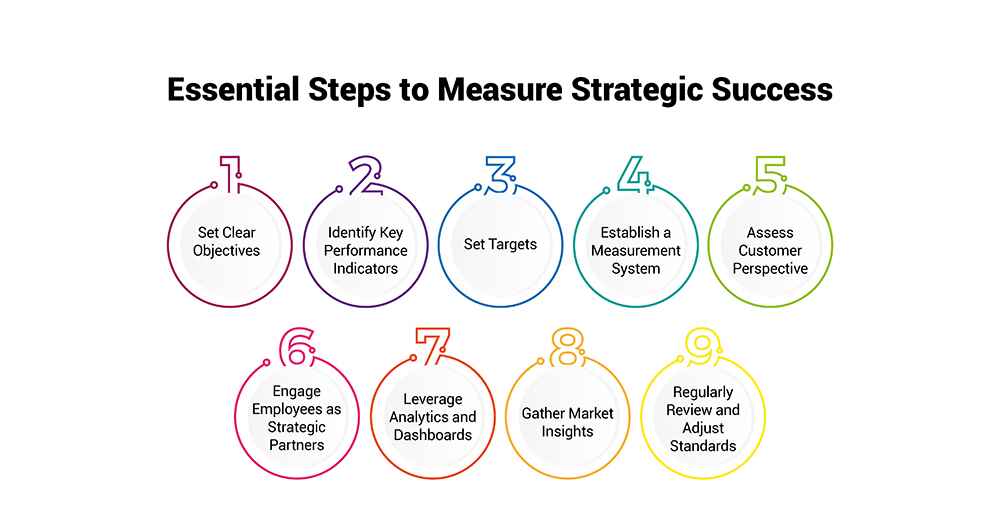
Defining meaningful key performance indicators separates effective pharmaceutical digital programs from wasteful spending. Traditional metrics like website traffic or social media followers tell incomplete stories. More valuable measurements include healthcare professional engagement rates, patient program enrollment numbers, and prescription trends in targeted regions.
Attribution modeling helps connect digital touchpoints to real-world outcomes, though pharmaceutical sales cycles often span months and involve multiple influences. Advanced analytics platforms track how a physician might first encounter research through email, later attend a virtual conference, then engage with mobile resources before ultimately prescribing a medication.
Return on investment calculations must account for pharmaceutical marketing’s unique characteristics. Long development timelines, complex approval processes, and extended patent protections create business models quite different from consumer goods. Digital initiatives should align with broader commercial strategies and product lifecycle stages.
Looking Toward the Future
Artificial intelligence and machine learning are beginning to transform pharmaceutical digital marketing. Predictive analytics identify which healthcare providers are most likely to adopt new therapies. Natural language processing helps analyze social media conversations for safety signals and sentiment trends. Chatbots powered by AI answer basic questions while routing complex inquiries to human experts.
Personalized medicine approaches will require equally personalized marketing strategies. As genetic testing and biomarker analysis enable targeted therapies for specific patient populations, digital campaigns must reach these precisely defined audiences through increasingly sophisticated segmentation.
Virtual and augmented reality technologies offer innovative ways to educate both professionals and patients. Surgeons might explore 3D visualizations of treatment mechanisms, while patients with chronic conditions could experience immersive education about managing their health.
Conclusion
Digital marketing has fundamentally reshaped how pharmaceutical companies communicate with stakeholders. By embracing content-driven strategies, optimizing for search visibility, engaging thoughtfully on social platforms, and maintaining unwavering commitment to compliance, brands can build trust while delivering genuine value.
Success requires balancing innovation with responsibility, creativity with accuracy, and commercial objectives with patient welfare. Companies that master this balance position themselves not just as medication providers but as trusted partners in healthcare—a transformation that benefits everyone involved.
