

Managed service providers operate in one of the most competitive B2B technology sectors, where differentiation proves challenging despite offering fundamentally similar services—network monitoring, security management, cloud infrastructure, help desk support, and backup solutions. Most businesses require these services, creating substantial market opportunity, yet countless competitors vie for the same prospects using nearly identical messaging about reliability, expertise, and proactive support. This commoditization means technical excellence alone rarely drives growth—effective marketing separates thriving MSPs from those struggling to fill pipelines despite delivering exceptional service to existing clients.
The challenge facing managed service providers extends beyond simple visibility. Your prospects—typically business owners, IT managers, or operations directors—receive constant outreach from competing MSPs, technology vendors, and consultants all promising superior service and better outcomes. They’ve likely experienced disappointing relationships with previous providers, making them skeptical of bold claims and marketing hyperbole. Many lack deep technical knowledge to properly evaluate competing proposals, defaulting to price comparisons or staying with familiar but underperforming incumbents simply to avoid transition risks.
MSP marketing solutions encompass the specialized strategies, tactics, and campaigns designed specifically for the unique dynamics of selling managed services. These approaches differ substantially from generic B2B marketing because of the technical nature of services, longer sales cycles typical in IT procurement, relationship-based sales processes, and the critical importance of demonstrating expertise and building trust before prospects will even consider switching providers. Effective MSP marketing balances technical credibility with accessibility, educates prospects about problems they may not fully understand, and differentiates your specific approach to common challenges every MSP addresses.
This comprehensive guide explores proven marketing strategies that actually work for managed service providers—from foundational positioning and messaging through specific tactics for lead generation, nurturing, and conversion. Whether you’re just beginning to formalize your marketing or seeking to improve disappointing results from current efforts, these insights help you attract qualified prospects, demonstrate value effectively, and convert opportunities into profitable long-term client relationships that drive sustainable business growth.
Understanding the MSP Marketing Landscape
Marketing for managed services differs fundamentally from selling products or simpler services because of the ongoing relationship nature, technical complexity, and high stakes involved when businesses entrust their entire IT infrastructure to external providers. Understanding these unique dynamics shapes effective marketing approaches.
Why Traditional Marketing Often Fails for MSPs
Generic B2B marketing tactics developed for product sales or simple services often disappoint when applied to managed services. Prospects don’t impulse-buy IT support or switch providers casually—these decisions involve substantial due diligence, multiple stakeholders, technical evaluation, and careful risk assessment. Marketing approaches designed for quick conversions through aggressive calls-to-action or time-limited offers feel inappropriate and damage credibility with sophisticated business buyers making significant commitments.
The technical nature of services creates communication challenges. Marketing materials either oversimplify to the point of meaninglessness (“We provide reliable IT support”) or overwhelm with technical jargon prospects don’t understand. Finding the balance—demonstrating technical competence while remaining accessible to non-technical decision makers—requires careful messaging calibration most generic marketing approaches miss entirely.
Commoditization perception means prospects struggle differentiating between providers who all claim similar capabilities and service levels. Your competitors promise 24/7 monitoring, proactive maintenance, fast response times, and experienced technicians—just like you do. Traditional marketing focusing on features and capabilities fails to distinguish you when everyone makes similar claims. Effective MSP marketing must transcend feature lists to communicate genuine differentiation through approach, philosophy, client experience, or specialized expertise.

Key Marketing Challenges MSPs Face
Limited marketing budgets constrain what most MSPs can invest in customer acquisition. Unlike software companies raising venture capital or established enterprises with substantial marketing departments, most MSPs operate on modest margins requiring careful ROI justification for every marketing dollar spent. This budget reality means MSP marketing must be highly targeted and measurable rather than relying on expensive brand-building campaigns appropriate for larger budgets.
Technical expertise without marketing knowledge characterizes many MSP owners and leadership teams. They understand technology deeply but often lack marketing training or intuition about what resonates with prospects. This creates situations where marketing materials sound perfect to technical audiences but confuse the business executives actually making purchasing decisions. Bridging this gap requires either developing marketing expertise internally or partnering with specialists who understand both IT services and effective marketing communication.
Long sales cycles from initial contact through signed agreements often span 3-12 months for managed services contracts. Prospects research extensively, evaluate multiple providers, navigate internal approval processes, and carefully plan transitions. This extended timeline means marketing must support relationship development over months, not just generate immediate leads. Campaigns optimized for quick conversions often fail in these extended sales cycles requiring sustained engagement.
Proving value before the sale presents challenges because prospects can’t test-drive managed services like they might try software or sample products. They must evaluate your capabilities largely based on reputation, demonstrations of expertise, case studies, and the confidence you inspire. Marketing materials must build trust and demonstrate competence without prospects experiencing your actual service delivery until after they’ve committed.
Essential Components of Effective MSP Marketing Solutions
Successful MSP marketing combines multiple complementary elements creating comprehensive systems that attract prospects, build credibility, nurture relationships, and support sales conversations. No single tactic delivers complete results—effectiveness comes from integrated approaches where different components reinforce each other.
Strategic Positioning and Messaging
Clear positioning defines who you serve and what makes your approach distinct. Generic “we serve all businesses” positioning appeals to no one specifically. Strong positioning targets defined niches—specific industries like healthcare or professional services, company size ranges, geographic areas, or particular technical specializations like security or cloud migration. This focus allows marketing messages that resonate deeply with target audiences rather than generic claims attempting to appeal broadly but connecting with no one powerfully.
Differentiation messaging articulates what genuinely distinguishes your MSP beyond generic claims every competitor makes. Perhaps you provide unusual transparency through client portals showing all activity. Maybe you specialize in helping businesses navigate regulatory compliance. You might offer flexible service tiers competitors don’t. Your technicians might average ten years more experience than industry norms. Whatever truly differentiates you deserves prominent emphasis in marketing materials rather than relegating it to footnotes while leading with the same generic promises everyone makes.
Value proposition clarity communicates specific outcomes clients achieve working with you rather than focusing on your activities or features. Instead of “24/7 network monitoring,” communicate “minimize downtime to ensure your team stays productive and customers can always access your services.” Instead of “experienced technicians,” promise “resolve issues correctly the first time so you’re not dealing with repeated problems.” Outcomes matter to business buyers—activities and features matter far less.
Website Optimization and Content
Your website functions as the hub of all marketing activity, where prospects land after seeing ads or social posts, where they research before sales conversations, and where they evaluate credibility before deciding whether to engage. Website excellence isn’t optional—it’s foundational for everything else you attempt in marketing.
Professional design and user experience signal that you take your business seriously and possess the competence to handle mission-critical technology infrastructure. Outdated designs, poor mobile experiences, or confusing navigation create negative first impressions undermining all other marketing efforts. Investment in quality web design pays dividends through improved credibility and better conversion of traffic into leads.
Content addressing prospect pain points and questions demonstrates expertise while building trust. Blog posts explaining common IT challenges, guides helping businesses evaluate technology decisions, case studies showing how you’ve solved specific problems, and resources answering frequent questions all prove your knowledge while helping prospects. This educational content approach works far better than promotional materials explicitly selling your services.
Clear calls-to-action and conversion paths guide interested prospects toward next steps without confusion. Whether that’s scheduling consultations, downloading resources, or requesting assessments, make desired actions obvious and friction-free. Many MSP websites fail by not clearly communicating what prospects should do next or making those actions unnecessarily complicated.
Search Engine Optimization for Local Visibility
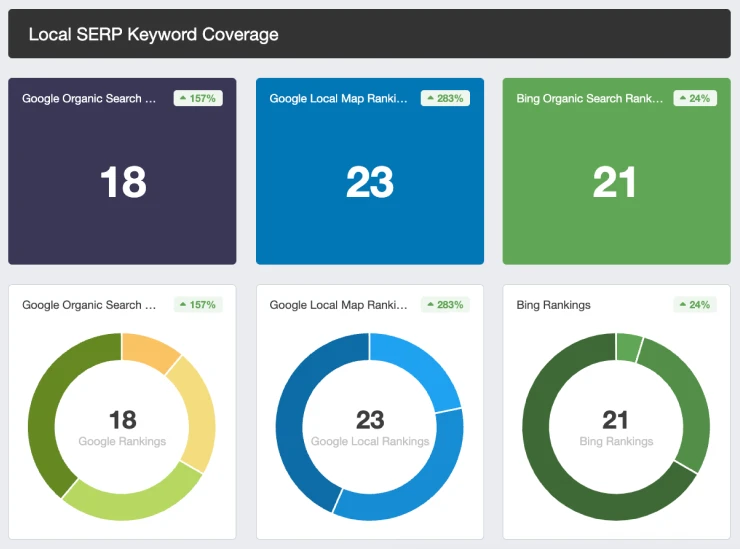
Local SEO optimization helps you appear when businesses in your service area search for IT support, managed services, or specific solutions you provide. For MSPs serving defined geographic regions, local search visibility often delivers the highest-quality leads—businesses actively seeking solutions you provide in areas you serve.
Google Business Profile optimization ensures your business appears in local map packs and provides accurate information to searchers. Complete all profile sections thoroughly, regularly post updates, encourage and respond to reviews, upload photos of your team and office, and keep information current. These seemingly simple steps significantly impact local search visibility.
Location-based content targeting neighborhood, city, and regional keywords helps you rank for local searches. Create location pages for each area you serve, write content addressing local business technology needs, reference local business characteristics and challenges, and earn links from local business directories and news sites. This geographic targeting works far better than attempting to rank nationally against massive competitors with unlimited budgets.
Review generation and management builds social proof while improving local rankings. Positive Google reviews influence both search visibility and prospect trust. Implement systematic processes requesting reviews from satisfied clients, make providing reviews easy, respond professionally to all feedback, and showcase testimonials throughout marketing materials.
Lead Generation Tactics for MSPs
Generating qualified leads consistently requires multiple complementary tactics because no single channel provides sufficient volume and quality for most MSPs. Diversified approaches reduce dependence on any single source while reaching prospects at different stages of their buying journey.
Content Marketing and Thought Leadership
Educational content establishes expertise while attracting prospects researching solutions to problems they face. Blog posts explaining technology concepts, guides to evaluating options, checklists for security preparedness, and resources addressing common pain points all demonstrate knowledge while helping potential clients. This approach positions you as trusted advisor rather than pushy vendor.
Content topics should address questions prospects actually ask rather than topics you find interesting. What concerns keep business owners awake at night regarding technology? What confusion do they express about cloud services, cybersecurity, or compliance? What frustrations do they experience with current IT support? Addressing these real concerns creates valuable content prospects actually consume rather than material serving primarily SEO purposes that no human reads completely.
Gated content like comprehensive guides, assessment tools, or research reports generates leads by requiring contact information in exchange for access. While some prospects prefer ungated content, others willingly provide details to access substantial resources solving important problems. Balance freely available content establishing expertise with gated resources capturing leads from highly interested prospects.
Digital Advertising Campaigns
Targeted advertising reaches specific audiences based on company size, industry, job title, or geographic location. Platforms like LinkedIn allow precise targeting of decision-makers at businesses matching your ideal client profile. Google Ads captures searches indicating active buying intent. Facebook reaches business owners through interest and behavior targeting.
Ad messaging for MSPs should emphasize specific outcomes and differentiation rather than generic service descriptions. “Eliminate the technology headaches distracting you from growing your business” resonates better than “Comprehensive managed IT services.” Specific callouts like “Specialized in healthcare compliance” or “Average 8-minute response time” provide concrete differentiation.
Landing pages aligned with ad messages provide dedicated conversion-focused experiences rather than sending traffic to generic homepages. Landing pages should match ad promises, remove distracting navigation, clearly communicate value propositions, and make desired actions obvious. Dedicated landing pages typically convert 2-5x better than sending ad traffic to standard website pages.
Strategic Partnerships and Referrals
Complementary business partnerships with companies serving similar clients create referral relationships. Accounting firms, business consultants, commercial real estate agents, and industry associations all work with the same businesses you target. Formal referral partnerships, co-marketing initiatives, or simply maintaining strong relationships with these partners generates consistent qualified referrals from sources prospects already trust.
Client referral programs incentivize satisfied clients to introduce you to businesses they know. Many business owners discuss their IT situations with peers—systematic referral programs ensure they think of you during these conversations. Incentives can be service credits, charitable donations, or direct compensation, but the key is making referring easy and ensuring clients know you welcome introductions.
Professional community involvement in chambers of commerce, industry associations, and business groups builds visibility and relationships with potential clients. Regular participation demonstrates community commitment while creating opportunities for natural conversations leading to business relationships. This long-term relationship building approach often delivers better results than transactional lead generation tactics.
Converting Leads to Clients
Lead generation alone doesn’t grow your MSP—conversion of prospects into signed clients determines whether marketing investments deliver actual business results. Effective conversion processes guide prospects from initial interest through evaluation and ultimately to committed relationships.
Lead Nurturing and Education
Automated email sequences maintain engagement with prospects not yet ready to buy. Educational sequences sharing helpful resources, addressing common objections, explaining your approach, and providing social proof keep you top-of-mind during extended evaluation periods. Well-designed sequences strike balances between providing value and encouraging next-step actions without excessive sales pressure.
Personalized follow-up based on prospect behavior and expressed interests delivers more relevant communications than generic blasts. If prospects download security-focused content, subsequent communications should emphasize your security expertise. If they’ve viewed pricing pages repeatedly, follow-up might address investment considerations and ROI.
Value demonstration through assessments, audits, or consultations allows prospects to experience your expertise before committing to full relationships. Free security assessments identifying vulnerabilities, network evaluations revealing optimization opportunities, or IT strategy consultations addressing business technology alignment all provide tangible value while demonstrating capabilities prospects can’t fully evaluate until experiencing them.
Sales Process Alignment
Marketing and sales alignment ensures smooth prospect handoffs, consistent messaging, and collaborative efforts toward shared revenue goals. Marketing should provide sales with qualified leads meeting agreed criteria, context about prospect interests and behavior, and content supporting sales conversations. Sales should provide marketing with feedback about lead quality, insights from prospect conversations informing better marketing, and closed-loop reporting showing which marketing sources drive actual revenue.
Clear qualification criteria prevent sales from wasting time on poor-fit prospects while ensuring marketing generates leads sales will actually pursue. Agreement on ideal client profiles, budget requirements, timeline expectations, and decision-maker access creates shared definitions of quality leads both teams commit to generating and converting.
CRM implementation and utilization provide visibility into pipeline health, campaign effectiveness, and conversion metrics guiding optimization. Marketing automation platforms connecting to CRM systems enable sophisticated tracking from first website visit through signed client, attributing revenue to specific marketing activities and informing budget allocation decisions.
Measuring and Optimizing MSP Marketing Performance
Effective marketing requires measuring results, analyzing what works versus what disappoints, and continuously refining approaches based on actual data rather than assumptions or preferences. Without measurement, you cannot determine whether marketing investments deliver acceptable returns or distinguish effective tactics from wasteful spending.
Key Performance Indicators for MSP Marketing
Website traffic and engagement metrics reveal whether your content attracts visitors and holds attention. Monitor traffic volumes, traffic sources, popular content, bounce rates, time on site, and pages per visit understanding what attracts prospects and where they engage most. These metrics guide content strategy and user experience optimization.
Lead generation metrics track how effectively you convert traffic into identified prospects. Measure total leads generated, leads by source, conversion rates, lead quality scores, and cost per lead across different tactics. These metrics reveal which channels deliver the best quantity and quality of opportunities at acceptable costs.
Marketing qualified lead (MQL) rates measure what percentage of generated leads meet criteria suggesting genuine potential. Not all contacts requesting information represent real opportunities—MQL metrics help you focus on prospects matching ideal profiles rather than celebrating raw lead counts regardless of quality.
Customer acquisition costs and lifetime value ratios determine whether marketing investment levels make economic sense. If average client lifetime value is £50,000 but acquisition costs £15,000, your 3:1 ratio suggests acceptable economics. If acquisition costs £25,000, the 2:1 ratio might indicate unsustainable marketing spending requiring optimization or pricing adjustments.
Conclusion
Effective MSP marketing solutions combine strategic positioning clearly differentiating your services, comprehensive website and content assets establishing expertise, diversified lead generation tactics reaching prospects through multiple channels, systematic nurturing and conversion processes guiding evaluation journeys, and rigorous measurement enabling continuous optimization. No single element drives success—effectiveness emerges from integrated systems where components reinforce each other creating compounding advantages over time.
The managed services market will only become more competitive as businesses increasingly recognize technology infrastructure importance and more providers enter the space. MSPs investing in marketing excellence gain sustainable competitive advantages through consistent pipeline development, reduced dependence on referrals and word-of-mouth, improved positioning commanding premium pricing, and professional brand presence attracting both clients and talented technicians. These advantages compound over time as marketing assets accumulate and reputation strengthens.
Ready to transform your MSP marketing from afterthought to growth driver? Begin by honestly assessing your current positioning and messaging clarity, auditing your website and content for gaps and improvement opportunities, implementing lead generation tactics aligned with your target market characteristics, establishing measurement systems tracking what actually drives results, and committing to consistent execution recognizing that marketing delivers results over months and years rather than overnight. The investment in marketing excellence pays dividends through reliable pipeline generation and accelerated growth that reduces vulnerability to client losses or market changes.
