
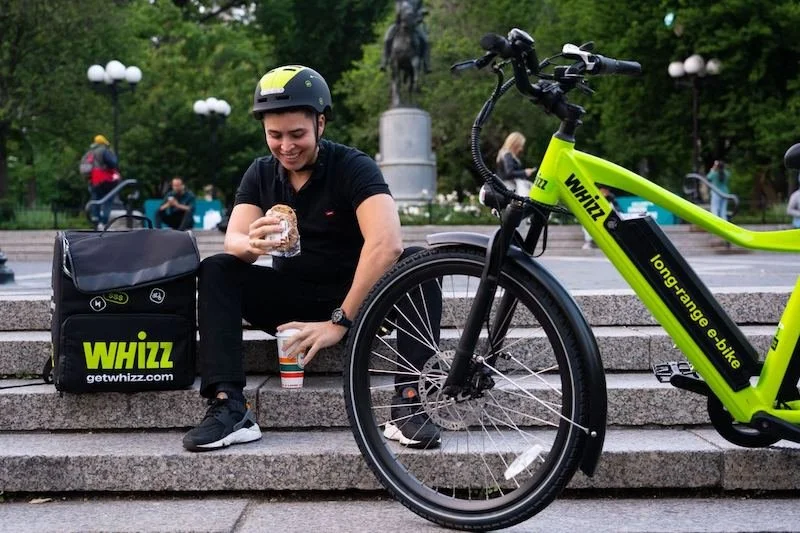
The gig economy has transformed how millions of people earn their living, with food delivery and courier services becoming increasingly popular career choices. For delivery riders navigating busy city streets, having reliable transportation isn’t just convenient—it’s essential for earning potential. This is where Whizz Bike enters the picture, offering a practical solution that’s caught the attention of delivery workers across the United States.
Whizz Bike provides electric bike subscriptions specifically designed for gig workers who need dependable, cost-effective transportation. Rather than investing thousands upfront in purchasing an e-bike, riders can access quality electric bicycles through flexible rental plans. The service handles maintenance, insurance, and repairs, allowing delivery professionals to focus on what matters most: completing orders and maximizing earnings.
What is Whizz Bike?
Founded with delivery riders in mind, Whizz emerged as an answer to a common problem faced by gig workers: the high upfront cost and maintenance burden of owning an electric bike. The company operates in major metropolitan areas, targeting professionals working for platforms like DoorDash, Uber Eats, Grubhub, and other delivery services.
The subscription model is straightforward. Riders pay a weekly or monthly fee to access an e-bike without purchasing one outright. This arrangement eliminates the financial barrier that prevents many workers from transitioning to electric transportation. The service currently operates in cities including New York, Los Angeles, Chicago, and several other urban markets where delivery work thrives.
What sets this approach apart is the comprehensive support included. Subscribers aren’t just renting a bike—they’re getting a complete transportation solution. When something breaks or needs adjustment, Whizz handles it. This matters tremendously for gig workers whose income depends on staying mobile and operational every single day.
Features and Specifications That Matter
The electric bicycles provided through Whizz subscriptions come equipped with features tailored for delivery work. Battery capacity stands as a critical specification, with most models offering 40-50 miles of range per charge. For delivery riders working 8-10 hour shifts, this range typically proves sufficient, though individual results vary based on terrain, rider weight, and assist level used.
Speed capabilities align with urban delivery needs, with bikes reaching speeds up to 20 mph on pedal assist. This falls within legal limits for electric bicycles in most jurisdictions while providing enough speed to complete deliveries efficiently. The motors are typically 500-750 watts, offering adequate power for climbing hills and accelerating from stops.
Durability is another key consideration. Delivery work puts significant stress on bicycles—constant stopping, starting, loading, and riding in various weather conditions. The bikes feature sturdy frames, puncture-resistant tires, and reliable braking systems designed to withstand daily commercial use. Front and rear lights come standard, addressing safety concerns during early morning and evening shifts.
Weather resistance also factors into the design. Delivery doesn’t stop when it rains, so these electric bikes incorporate water-resistant components protecting the electrical systems. While not fully waterproof, they can handle typical rain conditions that riders encounter during their shifts.
Storage solutions include rear racks capable of supporting delivery bags, and some models offer additional mounting points for securing insulated food containers. These practical touches demonstrate the company’s understanding of real-world delivery requirements.
Pricing Structure and What’s Included
Understanding the financial commitment is crucial for any gig worker considering this service. Whizz bike pricing typically ranges from approximately $169 to $259 per month, depending on the plan selected and the market. Weekly plans are also available for those wanting shorter commitments or testing the service before committing long-term.
The subscription includes several valuable components beyond just bike access. Maintenance and repairs are covered, meaning subscribers won’t face unexpected expenses when components wear out or break. This represents significant value considering that brake pads, chains, tires, and other parts naturally degrade with heavy use.
Insurance coverage provides protection against theft and damage, though specific terms vary. A security deposit is typically required upfront, usually ranging from $200-$500, which is refunded when the subscription ends and the bike returns in good condition.
Battery swapping or replacement is included in most plans, ensuring riders don’t get stranded with a dead battery mid-shift. Some locations offer battery swap stations where riders can exchange depleted batteries for charged ones, minimizing downtime.
When comparing these costs to purchasing an e-bike outright, the calculation becomes interesting. Quality electric bikes suitable for delivery work typically cost $1,500-$3,000 or more. At monthly subscription rates, a rider would need to subscribe for roughly 8-15 months to equal the purchase price of a comparable bike. However, the subscription includes maintenance and insurance that owners must handle separately.
Advantages and Considerations
Several compelling benefits make Whizz bike rental attractive for delivery professionals. The elimination of upfront costs removes a significant barrier to entry. New delivery riders can start earning immediately without saving for months to afford proper equipment.
Maintenance convenience cannot be overstated. For gig workers, time spent dealing with repairs is time not earning money. Having a service handle these issues means more time available for completing deliveries. The peace of mind knowing that mechanical problems won’t result in expensive repair bills or extended downtime is genuinely valuable.
Flexibility represents another advantage. Delivery work can be unpredictable—someone might decide it’s not for them, or life circumstances might change. Being locked into an expensive bike purchase creates financial stress, whereas a subscription can typically be cancelled with reasonable notice.
However, potential subscribers should consider certain factors carefully. The long-term cost can exceed buying a bike if someone plans to do delivery work for years. After 12-18 months of subscriptions, the cumulative cost approaches or surpasses outright ownership expenses.
Geographic limitations mean the service isn’t available everywhere. Riders in smaller cities or rural areas likely won’t have access. Additionally, availability can fluctuate based on demand, potentially resulting in waiting periods for new subscribers.
Getting Started with the Service
Beginning a Whizz bike subscription involves a relatively simple process. Prospective subscribers typically start by checking service availability in their area through the company’s website or mobile application. The application requires basic information including identification, proof of address, and sometimes employment verification showing active status with delivery platforms.
Once approved, riders schedule a pickup time and location. In many markets, the company delivers bikes directly to subscribers. The initial meeting includes a brief orientation covering basic operation, safety features, and proper charging procedures.
The mobile app serves as the central hub for managing the subscription. Through the app, riders can request maintenance, report issues, manage billing, and access customer support. Some features allow tracking battery status and locating nearby charging or swap stations.
Making the Right Choice
Whizz Bike represents a practical solution for a specific audience: delivery riders who need reliable electric transportation without the burden of ownership. For someone just starting in gig work or testing whether delivery is right for them, the subscription model offers a low-risk entry point.
The service makes most sense for riders committed to delivery work for at least several months but uncertain about longer-term plans. It’s particularly valuable in cities with challenging terrain where electric assist significantly impacts earning potential and reduces physical fatigue.
However, experienced delivery professionals planning to continue long-term might find better value in purchasing their own equipment. After 12-15 months, ownership becomes more economical, and the rider gains a valuable asset.
Weather conditions, daily mileage requirements, and local market characteristics should all factor into the decision. Riders covering shorter distances in mild climates might manage fine with regular bicycles, while those facing long shifts in hilly terrain will benefit tremendously from electric assistance.
Ultimately, Whizz provides a valuable option in the delivery rider ecosystem, filling a genuine need for accessible, maintained electric transportation that removes traditional ownership barriers.
