

The Legacy of Google’s Annual Pranks
For two decades, April Fools’ Day belonged to Google. The tech giant transformed the traditional day of mischief into an anticipated annual event where millions eagerly awaited the company’s latest creative gags. From 2000 through 2019, Google consistently delivered elaborate, humorous, and sometimes surprisingly believable hoaxes that captured internet attention worldwide.
These google april fools jokes weren’t simple pranks—they represented carefully crafted experiences involving entire teams of engineers, designers, and marketers. Some involved complete fake products with detailed landing pages, promotional videos, and technical specifications. Others transformed existing services with playful features that delighted users temporarily before disappearing.
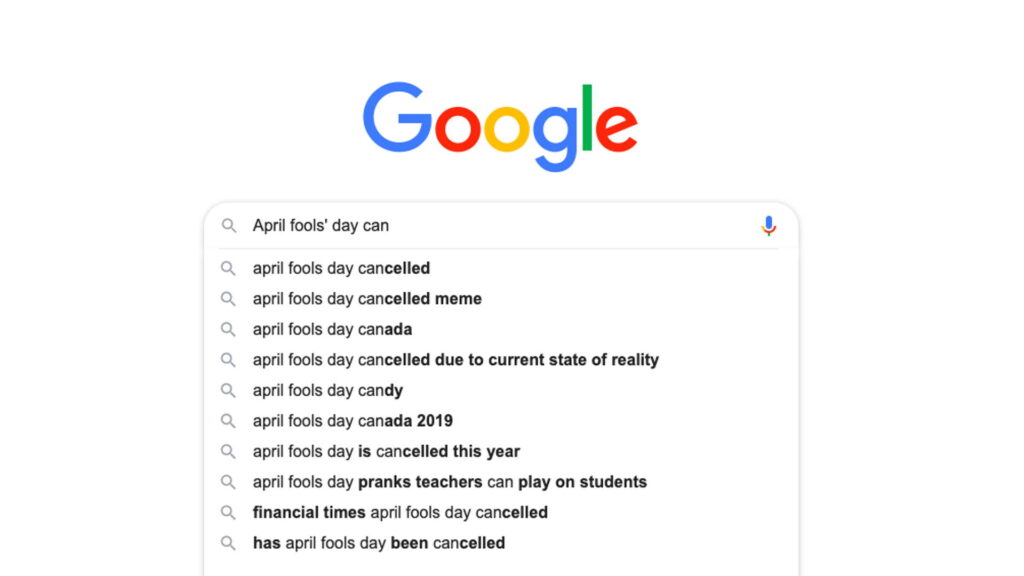
The tradition abruptly ended in 2020 when Google announced it would cease April Fools activities out of respect for those affected by the COVID-19 pandemic. This decision marked the conclusion of an era that had defined tech culture’s approach to humor and playful user engagement. The absence continues today, leaving many nostalgic for the creativity and lightheartedness these pranks once provided.
MentalPlex: The Beginning of a Tradition
Google launched its very first hoax in 2000 with MentalPlex, establishing what would become an iconic tradition. This inaugural prank introduced a revolutionary search method that supposedly eliminated typing entirely. Users simply stared at a hypnotic swirling red and blue vortex, mentally projected their desired search query, and clicked.
The brilliance lay in the error messages returned when this “technology” inevitably failed. Messages like “Error 005: Weak or no signal detected. Upgrade transmitter and retry” and “Error 666: Multiple transmitters detected. Silence voices in your head and try again” perfectly captured Google’s playful tone. Another favorite warned “Error 445: Searching on this topic is prohibited under international law.”
The MentalPlex FAQ expanded the joke with tongue-in-cheek explanations about the technology. It noted that while MentalPlex could potentially probe users’ deepest secrets and desires, this information was “only used in aggregate and rarely sold to advertisers unless they ask very, very nicely”—a prescient joke about privacy concerns that would dominate tech discussions years later.
PigeonRank: Revealing the “Secret” Algorithm
Two years after MentalPlex, Google unveiled PigeonRank in 2002, claiming to reveal the true technology powering its remarkably accurate search results. According to the elaborate hoax, Google didn’t rely on complex algorithms at all. Instead, the company maintained massive coops housing flocks of trained pigeons who pecked at screens to rank web pages.
The prank explained that search queries were routed to these “data coops” where pigeons evaluated results based on their training. This supposedly explained why Google displayed results in “pecking order”—a pun that delighted readers. The detailed technical specifications included information about pigeon training procedures and the company’s partnerships with pigeon breeders worldwide.
This google april fools joke brilliantly satirized the mystery surrounding search engine algorithms. At the time, Google’s PageRank system represented proprietary technology that competitors desperately wanted to understand. By offering an absurdly simple explanation involving birds, Google playfully acknowledged public curiosity while revealing nothing about actual methods.
Gmail: The Prank That Wasn’t
Perhaps Google’s most famous April Fools moment came in 2004, but not as intended. On April 1st that year, Google announced Gmail—a free email service offering an unprecedented 1 gigabyte of storage. This generous capacity dwarfed competitors like Hotmail’s 2 megabytes and seemed utterly unbelievable.
The announcement arrived written in the jokey, unserious language typically associated with April Fools pranks. Industry observers and everyday users alike dismissed Gmail as an elaborate hoax. The timing, the too-good-to-be-true storage offer, and the playful presentation all screamed “fake product announcement.”
Except Gmail was completely real. Google had executed a brilliant double fake, launching a legitimate revolutionary product on the one day everyone expected tricks. The invitation-only beta rollout added to the confusion, as some fortunate users discovered Gmail actually worked while skeptics remained convinced it was an extended joke. Today, Gmail serves over 1.8 billion users worldwide, making this Google’s greatest April Fools legacy—the prank that became a world-changing reality.
Why April 1st for a Real Launch?
Google’s decision to launch Gmail on April Fools’ Day wasn’t entirely coincidental. The company wanted to generate buzz and conversation around its new service. What better way than creating uncertainty and intrigue? The confusion itself became free marketing as people debated Gmail’s legitimacy across forums, blogs, and water coolers.
This audacious strategy also lowered initial expectations. If people thought Gmail was a joke, Google faced minimal risk if early versions had problems. Conversely, when users discovered Gmail’s genuine quality and revolutionary features, their positive surprise amplified word-of-mouth marketing. The April Fools timing transformed skepticism into powerful enthusiasm once truth emerged.
Google TiSP: The Most Ridiculous Concept
Among all google april fools pranks, Google TiSP (Toilet Internet Service Provider) might claim the title of most outrageous. Announced in 2009, this fictitious service promised to deliver free high-speed internet through an unconventional installation method—your toilet.
According to detailed instructions, users would receive a fiber-optic cable to feed down their toilet and flush. The cable would supposedly connect to access nodes via Google’s patented “GFlush system” and be retrieved by a “Plumbing Hardware Dispatcher.” The service claimed to provide 8 Mbps standard speeds, with paid plans offering up to 32 Mbps.
The prank page included elaborate technical specifications, installation tutorials, and even user testimonials praising their toilet-powered internet connections. Google maintained the joke with straight-faced seriousness, treating this absurd concept as if it were legitimate infrastructure innovation. The juxtaposition of sophisticated technology with bathroom plumbing created perfect comedic tension.
The Deeper Commentary
Beneath the toilet humor, Google TiSP offered subtle commentary on internet access challenges. In 2009, broadband availability remained uneven across regions, with many areas lacking affordable high-speed options. By proposing a free service through ubiquitous infrastructure—every home has plumbing—Google playfully highlighted these access inequalities.
The prank also reflected genuine Google initiatives around expanding internet availability. Projects like Google Fiber aimed to increase broadband competition and access. While toilet-based internet remained fantasy, the underlying mission of universal connectivity was authentic, making this silly joke more meaningful than surface appearances suggested.
Google Nose: Smell-O-Vision for Search
In 2013, Google introduced what it called its “flagship olfactory knowledge feature”—Google Nose Beta. This elaborate hoax claimed breakthrough technology allowing users to smell their search results directly through their devices. Searching for “freshly baked bread” or “ocean breeze” would supposedly deliver actual scent experiences.
The promotional YouTube video, which accumulated over 11 million views, featured fake software engineers explaining the revolutionary technology. They claimed Google Nose worked by “intersecting photons with infrasound waves” to temporarily align molecules and emulate particular scents. The feature accessed Google’s massive “Aromabase” containing 15 million scentibytes.
Google Nose even included practical features like SafeSearch for olfactory content, preventing users from accidentally encountering unpleasant smells. The interface showed a virtual scent palette where users could preview different aromas before committing. Every detail contributed to an impressively comprehensive fake product that many users initially believed might be real.
Technology That Seems Almost Possible
What made Google Nose particularly effective was its timing. In 2013, technology companies were exploring various sensory experiences beyond sight and sound. Virtual reality was gaining momentum, haptic feedback was improving, and engineers genuinely researched digital scent technology. Google Nose felt just plausible enough to spark genuine curiosity before revealing itself as a prank.
The joke also playfully explored whether we actually want every technological possibility realized. Would smell-enabled search improve experiences or create more problems? The inclusion of SafeSearch for odors humorously acknowledged that some searches are better without full sensory engagement—a lighthearted commentary on technology’s proper boundaries.
Pac-Man Invades Google Maps
One of Google’s most successful and beloved pranks arrived in 2015 when Pac-Man took over Google Maps. For over a week, users could transform real streets in their cities into playable Pac-Man levels. The iconic yellow chomper navigated actual roadways while avoiding colorful ghosts through familiar neighborhoods.
The implementation was remarkably polished, with smooth gameplay that worked across different locations worldwide. Players could compete for high scores on streets they traveled daily, adding delightful surrealism to routine geography. The feature proved so popular that Google brought it back two years later as Ms. Pac-Maps, giving the classic game a welcome twist.
This prank exemplified how google april fools jokes could transcend simple gags to become genuinely engaging experiences. Rather than just making people laugh, Pac-Man Maps encouraged active participation and exploration. Players shared screenshots of interesting locations, compared strategies, and created communities around this temporary feature.
Permanent Legacy of Temporary Fun
The overwhelming positive response to Pac-Man Maps influenced Google’s product development. The company recognized users appreciated playful interactions with typically utilitarian services. This insight contributed to Google Maps developing more entertainment features and Easter eggs over time, including hidden games still accessible today through specific searches.
The prank also demonstrated how augmented reality could blend digital experiences with physical spaces in entertaining ways. Though simple compared to modern AR applications, Pac-Man Maps offered an early glimpse of location-based gaming potential that later manifested in phenomena like Pokémon GO.
Chromercise: Exercise for Digital Athletes
In 2011, Google tackled an urgent problem nobody knew they had—insufficient finger strength for optimal web browsing. The solution? Chromercise, a comprehensive exercise program designed to improve hand dexterity specifically for Google Chrome users.
The fictitious program offered training regimens featuring finger aerobics and rhythmic exercises to “tighten and tone” fingertips. Promotional materials featured a self-proclaimed “certified Chromercise Instructor” explaining proper techniques. Google even joked about selling finger sweatbands through their online store to enhance workout experiences.
The prank humorously exaggerated fitness culture’s tendency to create specialized training for every conceivable activity. By treating web browsing as an athletic endeavor requiring dedicated conditioning, Chromercise playfully mocked both fitness obsessions and internet addiction simultaneously.
Satire Meets Reality
While obviously fake, Chromercise touched on legitimate ergonomic concerns for frequent computer users. Repetitive strain injuries, carpal tunnel syndrome, and other conditions affect many people who spend hours daily at keyboards. The silly joke inadvertently highlighted serious health topics, making some users actually consider hand exercises for computer-related wellness.
YouTube’s Elaborate Pranks
YouTube, acquired by Google in 2006, became a major contributor to google april fools traditions. One legendary prank arrived in 2008 when YouTube rickrolled every visitor. Featured videos on the homepage, regardless of their actual content, redirected to Rick Astley’s “Never Gonna Give You Up” music video.
This massive rickroll became internet folklore, contributing to the song’s revival and cementing rickrolling as enduring meme culture. The prank capitalized on YouTube’s enormous reach, ensuring millions experienced this coordinated surprise simultaneously. Rick Astley’s video now exceeds 1.5 billion views, partially thanks to this viral moment.
The YouTube Collection
In 2012, YouTube announced “The YouTube Collection”—a service delivering every YouTube video on physical DVDs. The prank claimed this comprehensive collection would require 175 trucks for transportation. An accompanying ceremony featured “submission coordinators” reading random video titles and descriptions for twelve straight hours, promising to continue daily for two years.
The following year, YouTube escalated with an announcement that the platform would cease accepting new videos entirely. After April 1, 2013, YouTube would evaluate all existing content, select a single winning video, and delete everything else. The site would return in 2023 exclusively to display that chosen winner. The absurdity perfectly captured concerns about content overload on the platform.
The Gmail Mic Drop Disaster
Not every google april fools prank succeeded. In 2016, Gmail introduced a “Send + Mic Drop” button that would send your email while adding an animated GIF of a Minion dropping a microphone, then automatically archive the entire conversation to prevent seeing responses.
The feature backfired catastrophically. Many users accidentally clicked the new button, which appeared dangerously close to the standard “Send” button. Some users reported sending joke responses to job applications, important client communications, and other professional contexts where mic-dropping Minions were spectacularly inappropriate.
Learning From Failure
Within hours, complaints flooded social media as people realized this prank had real consequences. Some users claimed the accident cost them job opportunities when recruiters received frivolous GIFs instead of serious responses. Google hastily removed the feature in the early morning hours of April 2nd and issued apologies.
This incident demonstrated the fine line between harmless pranks and features that interfere with essential services. Email represents critical infrastructure for business and personal communications. Adding comedic elements to such serious tools risks undermining functionality in ways that seemed funny conceptually but proved problematic in practice.
The Gmail Mic Drop failure likely influenced Google’s eventual decision to end April Fools pranks entirely. The backlash revealed how what seems entertaining to creators might frustrate or harm users, particularly when pranks affect core product functionality rather than existing as separate experiences.
Where’s Waldo on Google Maps
In 2018, Google brought classic children’s book character Waldo to Google Maps for a global scavenger hunt. Users could play “Where’s Waldo” across real-world locations, searching for the striped-shirt character hidden in various international landmarks and landscapes.
The game featured five progressive levels, each revealing a new location where Waldo hid among crowds. Successfully finding Waldo in all five spots unlocked a secret sixth scene on the moon, accessible only by zooming out in satellite view. This reward for dedicated players added extra delight for those who completed the entire challenge.
This prank exemplified how Google could create substantial interactive experiences rather than simple one-off gags. The Where’s Waldo collaboration combined nostalgic IP with Google’s mapping technology, producing entertainment that engaged users for extended periods while showcasing Maps’ detailed imagery.
Google’s Name Change to Topeka
In March 2010, Topeka, Kansas temporarily renamed itself “Google” to court the company’s upcoming Google Fiber broadband network. The mayor signed a proclamation promoting Topeka as the ideal location for this infrastructure project, creating significant publicity.
Google’s response? On April 1st, the company announced it was changing its name to “Topeka.” The homepage replaced the Google logo with “Topeka,” accompanied by photos showing updated signage at company headquarters. Promotional materials explained proper usage of the new name in conversation, maintaining deadpan seriousness throughout.
This meta-prank responded directly to a real-world event, creating layered humor that regular followers appreciated. Google acknowledged the Kansas city’s creative publicity stunt by temporarily adopting their gesture in reverse. The playful exchange demonstrated how google april fools jokes could engage with broader cultural moments rather than existing in isolation.
The Animal Translator App
Among Google’s more whimsical creations was the Android Animal Translator app announced as part of their 2013 April Fools collection. This fictitious application claimed to remove “language barriers between species,” allowing humans to communicate with animals through their smartphones.
The promotional website featured demonstration videos with various farm animals including donkeys, goats, chickens, geese, sheep, and cows. Each animal supposedly required different translation algorithms accounting for regional dialects and individual communication styles. The app’s interface showed language selection options for different species with suggested conversation starters.
The prank tapped into universal fantasies about understanding our pets and connecting with animals more deeply. While obviously impossible with current technology, the concept resonated emotionally with animal lovers who momentarily wished such tools actually existed.
Why Google Stopped These Pranks
The google april fools tradition ended abruptly in 2020 when Google announced it would skip that year’s jokes out of respect for those affected by the COVID-19 pandemic. The company recognized that with millions facing health crises, economic hardship, and isolation, lighthearted pranks felt inappropriate given the global context.
This decision received mixed reactions. Many appreciated Google’s sensitivity and acknowledgment that humor has appropriate times and places. Others felt society needed levity during difficult periods, arguing that harmless pranks could provide welcome relief from relentless bad news.
The Pranks Never Returned
Google skipped April Fools in 2021, 2022, and has continued abstaining through 2025. What began as a pandemic-related pause has become a permanent policy change. The company hasn’t publicly explained whether this represents a conscious strategic decision or simply reflects changed corporate priorities and culture.
Several factors might explain this silence. The Gmail Mic Drop fiasco demonstrated how pranks could backfire. Increased scrutiny of tech companies’ social responsibilities makes frivolous activities seem less appropriate. Leadership changes and shifting corporate cultures may have deprioritized traditions that once defined company identity.
Many longtime employees and users miss these creative expressions. The google april fools pranks represented a human, playful side of a corporation that increasingly faces criticism as an impersonal tech giant. Their absence removes a tradition that fostered goodwill and emotional connections between Google and its users.
The Cultural Impact Beyond Google
Google’s success with April Fools pranks inspired countless other companies to develop their own elaborate jokes. Tech startups, established corporations, and media organizations recognized that well-executed pranks generated significant attention and engagement.
This proliferation created an April 1st landscape where distinguishing real announcements from jokes became genuinely difficult. Some companies accidentally released legitimate products on April Fools’ Day and struggled with credibility. Others discovered that failed pranks could damage brand reputation if audiences found them offensive, confusing, or poorly timed.
The Saturation Problem
By the late 2010s, April Fools’ Day had arguably become over-saturated with corporate attempts at viral humor. What felt fresh and delightful when Google started in 2000 had become predictable and sometimes tiresome. Users faced dozens of pranks from every company seeking attention, diluting impact and making genuine surprises increasingly rare.
This saturation may have contributed to Google’s decision to step back. Being one of many companies doing April Fools pranks held less value than pioneering the tradition originally offered. Perhaps Google recognized that the magic had faded and gracefully exited rather than continuing diminished returns.
Remembering the Best Moments
Looking back across two decades of google april fools creativity, certain pranks stand out for their cleverness, execution, or cultural impact. MentalPlex established the tradition with perfect tone and humor. Gmail’s April Fools launch became one of tech history’s boldest product strategies. Pac-Man Maps demonstrated how temporary features could create lasting positive impressions.
These memorable moments reflect Google’s innovative spirit beyond just technology—they showed creativity in engagement, humor, and understanding what makes experiences meaningful for users. The pranks humanized a corporation that might otherwise seem distant and technical.
For those who experienced these annual traditions, they provided anticipation and delight. Each April 1st brought questions about what surprises Google had prepared. Discovering elaborate hoaxes created shared experiences as millions simultaneously encountered the same jokes and reacted together through social media conversations.
The Uncertain Future
Will Google ever revive its April Fools tradition? The company hasn’t ruled out future participation, but neither has it suggested any plans to resume. The longer the absence continues, the harder returning becomes—expectations would be enormous for pranks breaking a multi-year silence.
Perhaps the tradition belongs to a different era of internet culture and corporate communications. The playful, experimental spirit that characterized early Google may not align with current realities facing major tech platforms. Increased scrutiny, regulatory challenges, and social responsibilities create environments where frivolous pranks seem less appropriate than they once did.
Yet many people remember these pranks fondly and wish they would return. The google april fools jokes represented rare moments when massive corporations showed personality and creativity beyond profit motives. They reminded us that technology companies consist of creative humans who enjoy making people smile, not just algorithms and business strategies.
Conclusion: A Legacy of Laughter
The google april fools tradition created two decades of memorable moments that defined internet culture during the early 21st century. From mind-reading search engines to toilet-based internet connections, from smell-enabled searches to city-scale Pac-Man games, these pranks demonstrated that technology companies could entertain while innovating.
Even though the tradition has ended, its influence persists. These pranks set standards for corporate humor and user engagement that other companies still attempt to match. They demonstrated that even the most serious tech giants benefit from occasionally not taking themselves too seriously.
The absence of new pranks makes us appreciate what these annual traditions provided—shared experiences, surprising creativity, and reminders that behind powerful technologies exist people with imagination and humor. Whether Google ever resumes April Fools activities or not, the legacy of those twenty years continues inspiring fond memories among millions who eagerly awaited each year’s surprises.
For now, we can revisit archived pages, watch old promotional videos, and remember when April 1st meant discovering what impossible, hilarious, and occasionally almost-believable prank Google had prepared. Those were special times in internet history, and while they’ve ended, the laughter they created endures.
