

Expanding your business across international borders requires more than translating your website content into different languages. While localization matters tremendously, your success in foreign markets depends heavily on establishing authoritative presence through strategic link building that resonates with regional audiences and search algorithms. Global link building represents the sophisticated practice of acquiring high-quality backlinks from websites, publishers, and platforms across multiple countries and languages.
The challenges of international link acquisition differ substantially from domestic strategies. Cultural nuances affect how you approach publishers, language barriers complicate communication, time zones impact outreach timing, and each country’s unique digital ecosystem presents distinct opportunities and obstacles. What works brilliantly for earning links in the United States might fail completely in Japan, Germany, or Brazil. Understanding these differences and adapting your approach accordingly separates successful international expansion from expensive failures.
Many companies underestimate the complexity involved in building worldwide authority. They assume that simply translating outreach emails or hiring a translation service will suffice. However, effective cross-border link acquisition demands deep understanding of regional search behaviors, cultural communication norms, local publishing standards, and the technical implementation that ensures search engines properly attribute geographic relevance to your backlinks. Without this comprehensive approach, you risk wasting resources on strategies that don’t translate across borders.
This comprehensive guide reveals proven strategies for building authoritative link profiles across multiple countries and regions. You’ll learn how to research and prioritize target markets, adapt outreach approaches for different cultures, implement technical foundations that support international link equity, scale operations efficiently, and measure success across diverse markets. Whether you’re expanding an e-commerce operation into European markets, establishing a SaaS presence throughout Asia, or building a content platform with worldwide reach, these strategies will help you compete effectively in international search results.
Understanding Global Link Building
The definition and scope of global link building extends beyond simply acquiring backlinks from foreign websites. It encompasses strategic acquisition of geographically diverse, culturally relevant, and linguistically appropriate links that signal authority to search engines operating in specific countries or regions. This practice requires coordinating campaigns across multiple languages, navigating diverse digital landscapes, and understanding how different search engines weight geographic signals when determining rankings.
Differences from domestic link building are substantial and multifaceted. Domestic campaigns typically operate within familiar cultural contexts where you understand communication norms, publisher expectations, and competitive landscapes intuitively. International work requires explicit learning about each market—what content formats resonate, which outreach approaches succeed, how publishers evaluate potential link partners, and what timelines are considered reasonable for relationship development. These variations mean strategies that work domestically often need significant adaptation rather than simple translation.
How search engines evaluate international links involves multiple signals beyond basic authority metrics. Geographic location of linking domains matters—a link from a German .de domain carries different weight for German search results than for Japanese queries. Language context influences relevance assessments—links from Spanish-language content naturally strengthen Spanish-language pages more than English versions. Server locations, IP addresses, and regional hosting all contribute to how search engines interpret geographic relevance. Understanding these signals helps you prioritize link acquisition efforts strategically.
Geographic relevance and link value create nuanced situations where link quality isn’t absolute but contextual. A moderately authoritative French news site provides more value for ranking in France than a highly authoritative American publication might, simply because of geographic and linguistic relevance. This reality means international link building requires building diverse portfolios rather than just pursuing the highest-authority domains regardless of location.
Multi-language and multi-region considerations complicate technical implementation and content strategy. You need proper hreflang tags indicating language and regional targeting, canonical tags preventing duplicate content issues across similar regional versions, and internal linking structures that distribute authority appropriately across international sections. These technical foundations ensure that hard-won international links benefit the correct regional pages rather than creating confusion that dilutes their value.
Building Your Global Link Strategy Foundation
Market Research and Analysis
Identifying target countries and regions requires balancing opportunity with resource availability. Not every market merits equal investment—some countries offer substantial search volume and commercial potential while others might have limited digital infrastructure or challenging competitive landscapes. Analyze search volume data for your key terms across different countries, evaluate commercial viability based on payment processing availability and logistics capabilities, assess competitive intensity through link profile analysis of local competitors, and consider linguistic diversity within regions.
Competitor link profile analysis by country reveals what strategies succeed in specific markets. Use tools like Ahrefs or SEMrush to examine where established competitors earn their international backlinks. Which local directories appear most valuable? What regional publications link to competitors? Are there country-specific link opportunities your competitors haven’t exploited? This reconnaissance identifies proven acquisition channels while revealing gaps you can fill strategically.
Understanding regional search behaviors shapes content and outreach strategies. Search patterns vary dramatically across cultures—some regions favor long, informational content while others prefer concise, visual presentations. Researching popular search queries, analyzing SERP features prevalence, and studying successful local content provides insights that inform what you create and how you pitch it to regional publishers.
Cultural considerations in link building extend beyond obvious language differences to subtle communication norms. Direct, efficient communication style that Americans appreciate might seem abrupt or rude in Asian markets where relationship building precedes business discussions. Understanding these nuances prevents inadvertent offense that torpedoes outreach efforts before they begin.
International Site Structure Planning
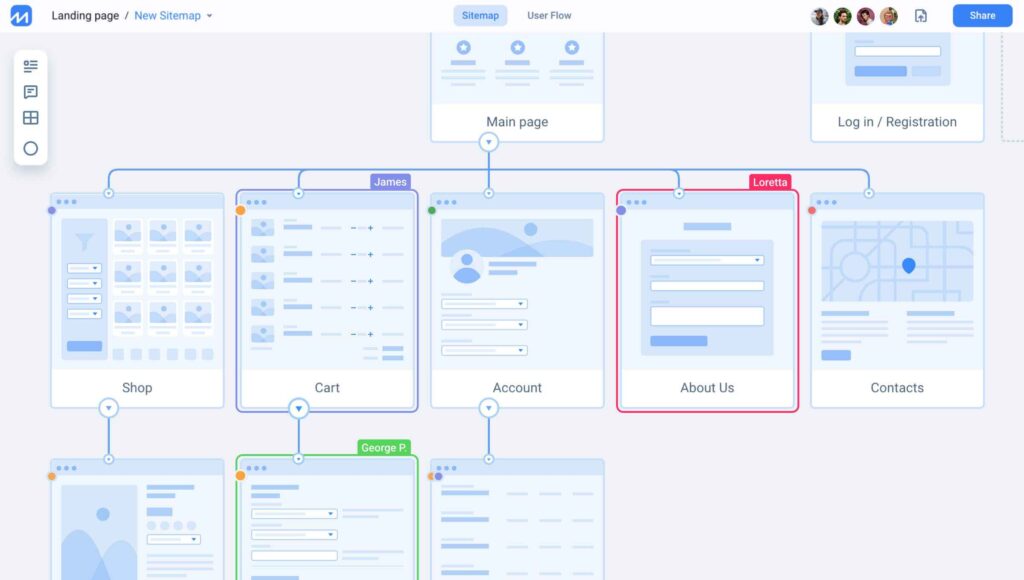
ccTLD versus subdirectory versus subdomain strategies each offer distinct advantages for international expansion. Country code top-level domains (ccTLDs) like .co.uk or .fr provide the strongest geographic signals and often enjoy built-in trust within their countries. However, they require building authority separately for each domain—links to your .fr site don’t directly strengthen your .de version. Subdirectories (example.com/fr/ and example.com/de/) consolidate authority into a single domain but provide weaker geographic signals. Subdomains (fr.example.com) fall between these extremes. Your choice impacts link building strategy significantly since authority distribution differs across these approaches.
Hreflang implementation for link building ensures search engines understand which language and regional versions of your content exist and when to display each. Proper hreflang tags prevent duplicate content issues while ensuring backlinks to your French content strengthen French search performance rather than being treated as generic international signals. This technical foundation must be perfect before investing heavily in international link acquisition—otherwise, you risk links not providing their full value.
URL structure for international sites should clearly indicate language and region targeting through logical patterns. Whether using subdirectories, subdomains, or ccTLDs, consistency and clarity help both users and search engines understand your international organization. Avoid mixing approaches or creating confusing patterns that obscure which content targets which audiences.
Multi-Country Outreach Strategies
Building International Media Relationships
Identifying journalists by country requires research tools and databases that cover international media landscapes. Services like Muck Rack, HARO, or region-specific journalist databases help you find relevant writers. However, don’t rely solely on these tools—following regional publications directly, monitoring social media for journalists covering your topics, and building lists manually ensures comprehensive coverage of your target media ecosystem.
Cultural nuances in outreach communication can make or break international campaigns. Germanic cultures often appreciate detailed, formal communication with clear structure and comprehensive information. Latin cultures might value personal connection and relationship warmth before diving into business proposals. Asian markets frequently emphasize hierarchy and respect, requiring different approaches when contacting senior versus junior journalists. Researching these preferences and adapting communication accordingly dramatically improves response rates.
Translation versus localization for pitches represents a critical distinction. Translation converts words from one language to another while maintaining similar meaning. Localization adapts messages for cultural context, adjusting examples, references, tone, and even core messaging to resonate with specific audiences. A pitch mentioning American sports analogies translated literally into Japanese accomplishes linguistic conversion but fails to connect culturally. Localization replaces those analogies with culturally relevant references that Japanese journalists understand and appreciate.
Time zone coordination strategies prevent outreach missteps and optimize response rates. Sending emails when recipients are sleeping or away for weekends reduces open rates and engagement. Research optimal outreach times for each market—when do journalists typically check email? When are they most receptive to new information? Scheduling sends appropriately shows respect for recipients’ time while maximizing campaign effectiveness.
Cross-Border Content Marketing
Creating region-specific content assets goes beyond translation to developing materials that address local interests, reference regional examples, and speak to market-specific pain points. An infographic about e-commerce trends gains more traction in each market when it features data specific to that region rather than global or US-centric statistics. This localization requires research investment but pays dividends in relevance and linkability.
Infographics and visual content for global appeal can transcend language barriers more easily than text-heavy resources. Well-designed visualizations communicate key information through charts, icons, and minimal text that translates easily. However, even visual content requires localization—color symbolism varies across cultures, visual metaphors don’t always translate, and design preferences differ regionally. Working with designers familiar with target markets ensures visual content resonates appropriately.
Research and data localization transforms generic industry reports into compelling regional resources. Publishing “State of Digital Marketing in Germany 2025” generates more German backlinks than “Global Digital Marketing Report 2025” would, even if the global report includes a German section. Region-specific research demonstrates investment in understanding local markets while providing publishers with uniquely relevant data their audiences want.
Interactive tools and calculators adapted for regional users provide ongoing value that earns sustained links. Currency converters using local currencies, ROI calculators reflecting regional costs, or assessment tools addressing market-specific challenges become resources that local sites reference repeatedly. The key is ensuring tools function perfectly for regional users with appropriate localization beyond simple translation.

International Guest Posting
Finding quality guest post opportunities globally requires expanded research beyond English-language publications. Use region-specific search engines (Baidu for China, Yandex for Russia, Naver for Korea) to discover local publications. Join regional professional networks and social media platforms where publishers congregate. Hire native speakers to research and evaluate potential opportunities since language barriers might prevent you from assessing publication quality accurately.
Author bio optimization for multiple markets balances consistency with relevance. Your core expertise remains constant, but emphasizing different aspects resonates better in different markets. European bios might emphasize professional credentials and formal qualifications, while American audiences respond to achievement and innovation narratives. Adapting these nuances improves how publications and readers perceive your authority.
Regional publication standards vary significantly in formatting, length preferences, sourcing requirements, and editorial expectations. British publications might expect more formal tone than American counterparts. Japanese sites often prefer different article structures than Western publications. Understanding and accommodating these preferences increases acceptance rates while building stronger publisher relationships.
Show Image
Country-Specific Link Building Tactics
European Markets
GDPR compliance in outreach isn’t optional—it’s legally mandatory when contacting individuals in European Union countries. Ensure your outreach practices comply with data protection regulations: obtain contact information through legitimate means, provide clear opt-out mechanisms, explain how you’ll use data, and maintain records demonstrating compliance. Violations carry substantial penalties while compliance builds trust with potential link partners.
European directory and citation opportunities differ from American equivalents. Each country maintains its own business directory ecosystem—Yelp dominates differently across European markets compared to the US, while regional alternatives like PagesJaunes in France or Gelbe Seiten in Germany carry more local authority. Research country-specific directories and citations that matter for local SEO and authoritative backlinks.
Regional language considerations recognize that “European” isn’t monolithic. Major languages include English, German, French, Spanish, Italian, and Polish, among many others. Some countries like Switzerland or Belgium operate multilingually. Understanding linguistic distribution helps prioritize translation investments and target outreach appropriately for maximum efficiency.
Pan-European versus country-specific strategies balance efficiency with effectiveness. Some campaigns can target multiple European markets simultaneously through English-language outreach to international publications. Others require deep country-specific customization. The right approach depends on your resources, market priorities, and competitive landscape in each country.
Asian Markets
Chinese link building faces unique challenges since Google doesn’t operate there. Baidu dominates Chinese search, using different ranking algorithms and quality standards. Building visibility in China requires understanding Baidu’s preferences, navigating content regulations, and working within the Great Firewall constraints. This often means entirely separate strategies rather than adapting Western approaches.
Japanese market unique characteristics include preference for domestic platforms over global ones, distinct content consumption patterns, and particular expectations around business relationships. Building links in Japan requires patience for relationship development, respect for hierarchy and formal processes, and understanding of local digital ecosystems that differ substantially from Western markets.
Korean search engine optimization centers partly around Naver, which dominates Korean search alongside Google. Naver’s algorithms weight different factors than Google, requiring adapted approaches. Building presence on Naver’s ecosystem—including blogs, cafes, and knowledge services—matters more for Korean visibility than it would in Western markets.
Southeast Asian opportunities span diverse markets with different dominant languages, search engines, and digital maturity levels. Indonesia, Thailand, Vietnam, Philippines, Singapore, and Malaysia each present distinct landscapes. Success requires market-by-market research rather than assuming homogeneity across the region.
Measuring Global Link Building Success
Country-Specific Metrics
Domain authority by region helps you understand competitive positioning in each target market separately. Your overall domain might have strong authority globally while still being relatively unknown in specific countries where you’re expanding. Tracking regional authority growth shows whether international link acquisition succeeds at building credible presence in new markets.
Referring domains per country quantifies geographic link diversity. A healthy international profile includes backlinks from multiple countries rather than just your home market. Monitoring this distribution ensures you’re building genuinely global authority rather than domestic authority that happens to have international website versions.
Link quality assessment globally requires understanding regional context. A moderately authoritative regional newspaper might provide more value for local rankings than a highly authoritative but geographically distant publication. Evaluate quality within market context rather than applying universal standards that miss these nuances.
Geographic distribution analysis visualizes where your backlinks originate geographically. This mapping reveals markets where you’ve successfully built presence versus areas requiring more attention. It also identifies unexpected link sources that might indicate emerging opportunities or successful content that resonated unexpectedly in certain regions.
Conclusion
Mastering global link building demands much more than translating outreach templates and hoping for international results. Success requires deep cultural understanding, technical precision in international SEO implementation, strategic prioritization of markets and opportunities, and sustained commitment to building relationships across linguistic and geographic boundaries. The strategies outlined here provide a comprehensive framework, but remember that each market presents unique characteristics requiring adaptation and learning.
Start your international expansion strategically rather than attempting worldwide campaigns simultaneously. Choose 2-3 priority markets where opportunity justifies investment, research thoroughly before launching outreach, build technical foundations correctly from the beginning, and scale systematically based on what you learn. This measured approach prevents resource waste while building expertise that transfers to additional markets.
The rewards of successful global link building extend beyond search rankings to include genuinely international brand presence, diverse traffic sources that reduce dependence on single markets, and competitive advantages in emerging markets before they become saturated. Companies that invest in building authentic worldwide authority position themselves for sustained growth as digital commerce and content consumption continue globalizing.
Ready to expand your link building efforts internationally? Begin by auditing your current international SEO implementation, researching priority markets thoroughly, and developing culturally appropriate outreach strategies. Build partnerships with native speakers and cultural experts who can guide your expansion, ensuring your global link building succeeds at establishing authentic presence rather than just acquiring foreign backlinks that lack true relevance and value.
