

Every time you open your web browser, you’re greeted with a simple yet powerful feature: a blank bar at the top that says “search google or type a url.” This unassuming text box is your gateway to the entire internet, yet many people don’t fully understand how to use it effectively. Whether you’re a complete beginner or someone who’s been browsing for years, understanding the address bar can dramatically improve your online experience.
The browser’s address bar, also called an omnibox in some browsers, has evolved significantly over the past decade. What started as a simple field for entering web addresses has transformed into an intelligent, multifunctional tool that can search, navigate, calculate, and even answer questions. In this comprehensive guide, we’ll explore everything you need to know about this essential browser feature, from basic usage to advanced tips that will make your browsing faster and more efficient.
Understanding the Browser Address Bar
The address bar sits at the top of your browser window, occupying prime real estate for good reason. This single text field serves two distinct purposes: it allows you to navigate directly to websites by typing their URLs, and it lets you perform searches without visiting a search engine first. This dual functionality is why modern browsers display the helpful prompt “search google or type a url” when you click on it.
Different browsers handle this feature slightly differently, but the core concept remains the same.Google Chrome, Microsoft Edge, Mozilla Firefox, and Apple Safari all use variations of this intelligent bar. Chrome pioneered the omnibox concept, merging the traditional address bar with search functionality back in 2008, and other browsers quickly followed suit.
The beauty of this design is its simplicity. You don’t need to think about whether you’re searching or navigating—just type what you want, and your browser figures out your intent. If you type words or a question, it searches. If you type something that looks like a web address, it takes you there. This intelligent interpretation has made browsing more intuitive for millions of users worldwide.
How to Search Google from the Address Bar
Searching directly from the address bar is remarkably straightforward. Simply click on the bar (or press Ctrl+L on Windows or Cmd+L on Mac), type your query, and press Enter. Your browser will automatically perform a search using your default search engine, typically Google.
For example, if you want to know the weather forecast, just type “weather today” and hit Enter. Your browser immediately displays results without requiring you to visit Google’s homepage first. This saves time and streamlines your workflow, especially when you’re conducting multiple searches throughout the day.
The address bar also offers intelligent suggestions as you type. These autocomplete features draw from your browsing history, popular searches, and bookmarks to predict what you’re looking for. If you’ve visited a website before, it might appear in the dropdown before you finish typing, allowing you to select it with arrow keys instead of typing the complete query.
Modern browsers even support voice search in the address bar. Click the microphone icon (if available) or use voice commands to speak your search instead of typing. This feature proves particularly useful when multitasking or when you need quick information hands-free.
How to Type a URL in the Address Bar
While searching is convenient, sometimes you know exactly where you want to go. Typing a URL directly is the fastest way to reach a specific website. A URL (Uniform Resource Locator) is the complete web address of a page, like https://www.example.com.
Understanding URL structure helps you navigate more effectively. Every URL contains several components: the protocol (http or https), the domain name (like google.com), and sometimes a specific path to a page (/about or /contact). However, modern browsers are forgiving—you rarely need to type the entire thing.
For instance, if you want to visit Wikipedia, you can simply type “wikipedia.org” without the “https://www.” prefix. Your browser automatically adds the necessary protocol. This shortcut works for most websites, making direct navigation quick and effortless.
Here’s a useful trick: if you’re typing a .com domain, you can press Ctrl+Enter (Windows) or Cmd+Enter (Mac) after typing just the domain name. Type “Ranking Generals” and press Ctrl+Enter, and your browser automatically expands it to “www.rankinggenerals.com/” and navigates there. This keyboard shortcut alone can save you countless keystrokes over time.
Differences Between Searching and Typing URLs
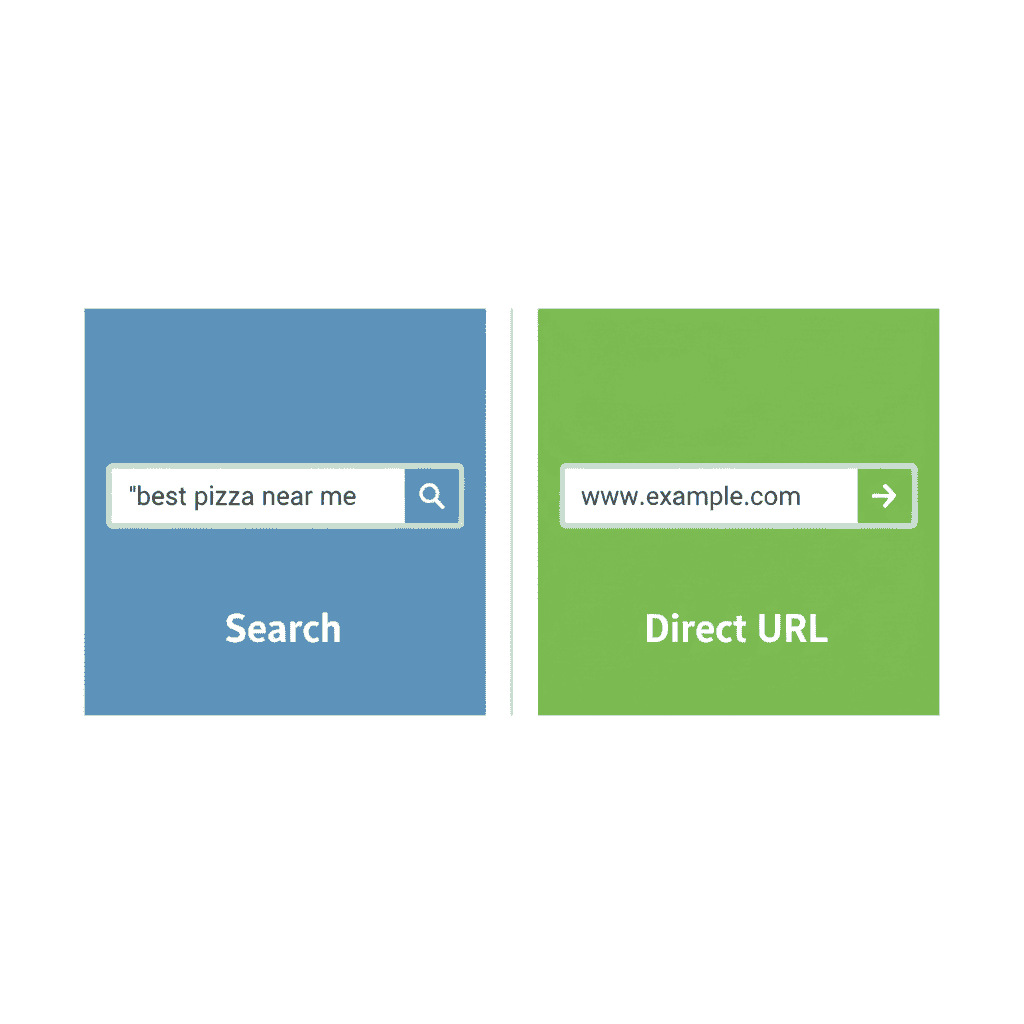
Knowing when to search versus when to type a URL directly can significantly impact your browsing efficiency. If you know the exact website address, typing the URL gets you there faster, with no intermediate search results page. This direct navigation is particularly useful for websites you visit frequently.
On the other hand, searching works better when you’re looking for information, exploring topics, or can’t remember an exact web address. The browser analyzes what you type and makes an intelligent guess. Single words or questions typically trigger searches, while entries containing periods or slashes are interpreted as URLs.
Your browser’s ability to determine your intent has improved dramatically over the years. It considers factors like your browsing history, the structure of what you’ve typed, and common patterns to decide whether to search or navigate. This smart interpretation means you can be less precise with your input while still getting the desired result.
Customizing Your Address Bar Experience
One of the most powerful aspects of the address bar is its customizability. While Google is the default search engine in many browsers, you’re not locked into this choice. Changing your default search engine takes just a few clicks in your browser settings.
In Chrome, navigate to Settings > Search engine to select from options like Bing, DuckDuckGo, or Yahoo. Firefox offers similar customization under Options > Search. Edge users can find this setting in Settings > Privacy, search, and services. Safari on Mac allows changes through Preferences > Search. Choose the search engine that aligns with your privacy preferences and search result quality expectations.
You can also manage search suggestions and autocomplete behavior. While these features enhance convenience, some users prefer privacy over predictive assistance. Most browsers let you disable suggestions, clear your browsing history, or use incognito mode when you want searches and navigation to remain private. These privacy settings ensure you maintain control over your browsing data.
Advanced Address Bar Features
Beyond basic searching and navigation, the address bar hides several powerful features that many users overlook. You can perform calculations by simply typing math expressions—try typing “1523 * 47” and watch your browser display the answer instantly, without needing a separate calculator application.
Unit conversions work similarly. Type “50 miles to kilometers” or “100 USD to EUR” and get immediate results. These built-in tools transform your address bar into a quick reference assistant for everyday tasks.
Another advanced feature is site-specific searching. In many browsers, you can set up custom search engines for frequently visited websites. Once configured, you can type a keyword followed by your search term to search within that specific site, bypassing the need to navigate there first.
Privacy and Security Considerations
The address bar also serves as your first line of defense against online threats. Pay attention to the padlock icon that appears before URLs—it indicates whether a connection is secure using HTTPS encryption. Websites without this security should be approached cautiously, especially when entering sensitive information.
Modern browsers display security warnings directly in the address bar when you visit potentially dangerous sites. Never ignore these warnings, as they protect you from phishing attempts, malware, and other online threats. The address bar’s color might change or display explicit warnings when something seems suspicious.
When browsing privately, use your browser’s incognito or private mode. This prevents your searches and visited URLs from appearing in your history or autocomplete suggestions. While it doesn’t make you anonymous online, it does provide a layer of privacy for your local browsing session.
Conclusion
The simple prompt “search google or type a url” represents far more than a basic instruction—it’s an invitation to explore the internet efficiently and securely. By mastering your browser’s address bar, you unlock a versatile tool that searches, navigates, calculates, and protects you online. Whether you’re typing complete URLs for direct navigation or entering search queries to find information, this single feature streamlines your entire browsing experience. Take time to experiment with the tips and shortcuts we’ve covered, customize your settings to match your preferences, and discover how this fundamental browser component can transform the way you interact with the web.
