

The landscape of adult content distribution has evolved dramatically, and understanding how to properly categorize your material can mean the difference between obscurity and success. In 2026, platforms rely heavily on sophisticated algorithms that analyze metadata to connect viewers with relevant content. This comprehensive guide explores proven methods to enhance your video’s discoverability through strategic tagging practices.
Whether you’re a seasoned creator or just starting in the industry, mastering these fundamentals will help you navigate platform requirements while maximizing your audience reach. We’ll examine everything from basic principles to advanced strategies that align with current platform algorithms and user search behaviors.
Understanding Tag Optimization Fundamentals
Tags serve as the primary navigation system that helps platforms categorize and recommend your content to interested viewers. Think of them as signposts that guide potential audiences directly to your material through search functions and recommendation engines.
When viewers search for specific content, platform algorithms scan through millions of videos by examining their associated metadata. Your tagging strategy directly influences whether your content appears in these search results. According to metadata principles, properly structured information significantly improves content organization and retrieval.
The relationship between tags and visibility operates on multiple levels. First-tier benefits include direct search matches where your exact tags align with user queries. Second-tier benefits come from algorithmic recommendations, where platforms suggest your content to viewers watching similar material.
How 2026 Algorithms Process Video Metadata
Modern platforms employ machine learning models that go beyond simple keyword matching. These systems analyze semantic relationships between terms, understanding context and viewer intent. For instance, they recognize synonyms and related concepts, building connections between various descriptive elements.
Recent algorithm updates prioritize authenticity and relevance over quantity. Platforms now penalize excessive or misleading metadata, making strategic selection more important than ever. The focus has shifted toward quality descriptors that accurately represent your content’s actual characteristics.
Keyword Research for Adult Content Tags
Effective tagging begins with thorough research into what your target audience actually searches for. Start by examining platform-specific search tools and trending sections to identify popular queries within your niche.
Analyze successful creators in your category by noting which terms consistently appear in high-performing content. Look for patterns in their approach—do they emphasize specific attributes, scenarios, or performer characteristics? This competitive analysis reveals market gaps and oversaturated terms to avoid.
Balancing Niche Appeal with Broad Discoverability
The sweet spot lies in combining highly specific descriptors with broader category identifiers. Specific terms attract dedicated enthusiasts actively seeking particular content types, while general categories ensure you appear in wider browsing patterns.
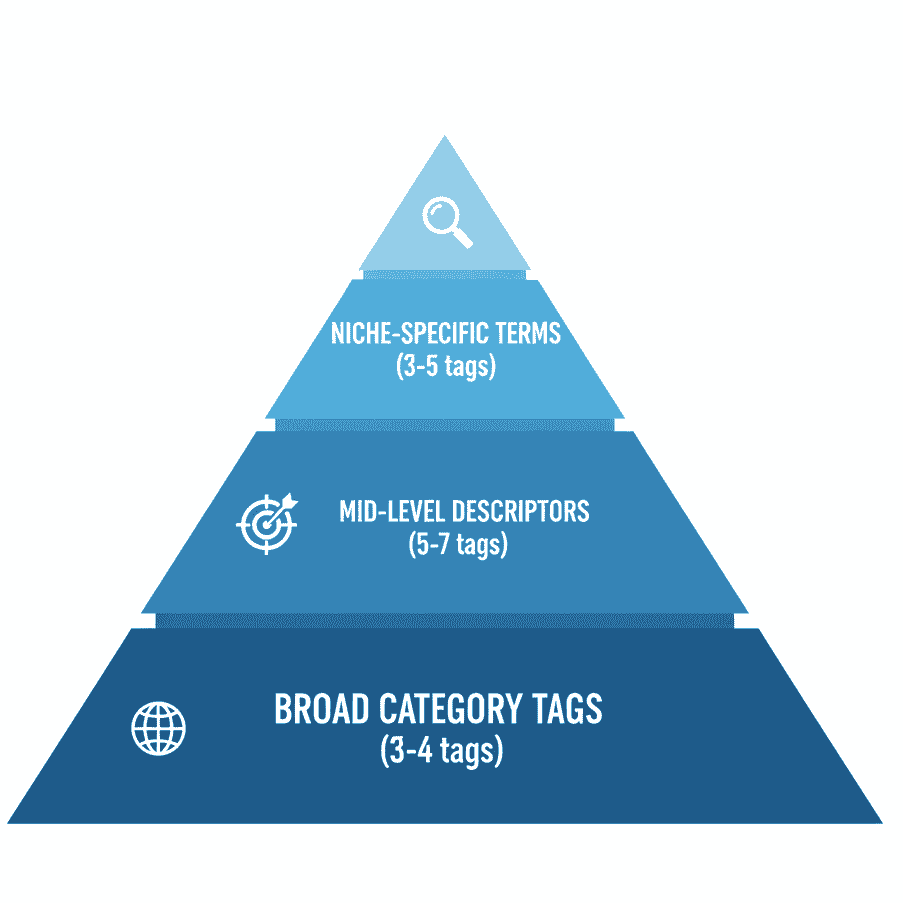
Consider a tiered approach: use 3-4 broad category tags, 5-7 mid-level descriptors, and 3-5 highly specific niche terms. This pyramid structure captures traffic from multiple search patterns without diluting your content’s identity.
Long-tail keywords—phrases of three or more words—often deliver better conversion rates despite lower search volumes. Viewers using detailed queries typically have clearer intent and engage more deeply with content matching their specific interests.
Tag Structure and Best Practices
Different platforms impose varying limits on tag quantity and format. Most major sites allow between 15-30 tags per upload, though optimal performance typically occurs with 12-20 well-chosen terms rather than maxing out available slots.
Primary tags should occupy the first 5-7 positions, as many platforms weigh these more heavily in their algorithms. These should represent your content’s core attributes—main categories, primary performers, or distinctive characteristics.
Secondary tags fill supporting roles, adding context and capturing related searches. These might include synonyms, alternative phrasing, or supplementary descriptors that provide additional discovery paths.
Formatting Requirements and Character Limits
Pay attention to platform-specific formatting rules. Some systems treat multi-word phrases as single tags when enclosed in quotation marks, while others automatically separate them. Character limits per individual tag typically range from 20-50 characters.
Avoid special characters, excessive punctuation, or unconventional spacing that might confuse algorithmic parsing. Stick with straightforward alphanumeric terms using standard conventions within your platform’s accepted practices.
Advanced Optimization Strategies for Maximum Visibility
Semantic tagging leverages conceptual relationships between terms rather than relying solely on exact matches. This technique involves including related concepts that share thematic connections with your primary keywords, helping algorithms understand your content’s broader context.
For example, instead of just listing physical attributes, incorporate situational or thematic elements that viewers might associate with those characteristics. This multi-dimensional approach captures diverse search patterns.
Trending Tag Integration
Monitor platform trending sections and industry news to identify emerging interests. Incorporating timely tags when genuinely relevant can provide temporary visibility boosts as viewers explore current popular topics.
However, avoid forcing trending terms into irrelevant content. Algorithms increasingly detect and penalize this mismatch between metadata and actual material, potentially harming your channel’s long-term credibility.
Seasonal patterns offer predictable opportunities for strategic tag rotation. Certain content types see increased demand during specific times of year. Updating tags to reflect these seasonal interests helps capture cyclical traffic patterns.
Platform-Specific Optimization Requirements
Each major platform operates under unique technical specifications and community guidelines. What works effectively on one site may underperform or even violate policies on another.
Research your target platform’s specific documentation regarding metadata requirements. Some platforms prioritize certain tag positions, while others use sophisticated natural language processing that evaluates all tags equally.
Mobile viewing has surpassed desktop on most platforms, influencing how users search and discover content. Mobile searchers often use shorter, more direct queries compared to desktop users. Consider this behavioral difference when selecting your tag mix.
Custom Metadata Fields
Many platforms offer additional metadata fields beyond basic tags—categories, performer information, production details, and content warnings. Completing all available fields provides multiple pathways for algorithmic classification and user filtering.
These supplementary fields often carry different algorithmic weights than standard tags. Some platforms use category selections as primary filters, relegating tags to secondary refinement roles. Understanding this hierarchy optimizes your overall metadata strategy.
Avoiding Common Tagging Mistakes
Tag stuffing—excessive repetition or inclusion of marginally relevant terms—represents one of the most frequent errors. This practice often backfires as modern algorithms detect and penalize such behavior, actually reducing your visibility rather than enhancing it.
Misleading tags might generate short-term clicks but damage long-term channel performance. When viewers consistently find mismatches between tags and actual content, platforms interpret this as poor user experience, lowering your content’s ranking in future recommendations.
Banned and Restricted Keywords
Adult platforms maintain strict policies regarding certain terminology, particularly concerning illegal content, minors, or non-consensual activities. Using prohibited terms, even unintentionally, can result in content removal or account suspension.
Stay current with platform policy updates, as acceptable terminology evolves. What was permissible six months ago might now violate updated community standards. Regular policy review protects your account standing.
Tag Performance Analysis and Refinement
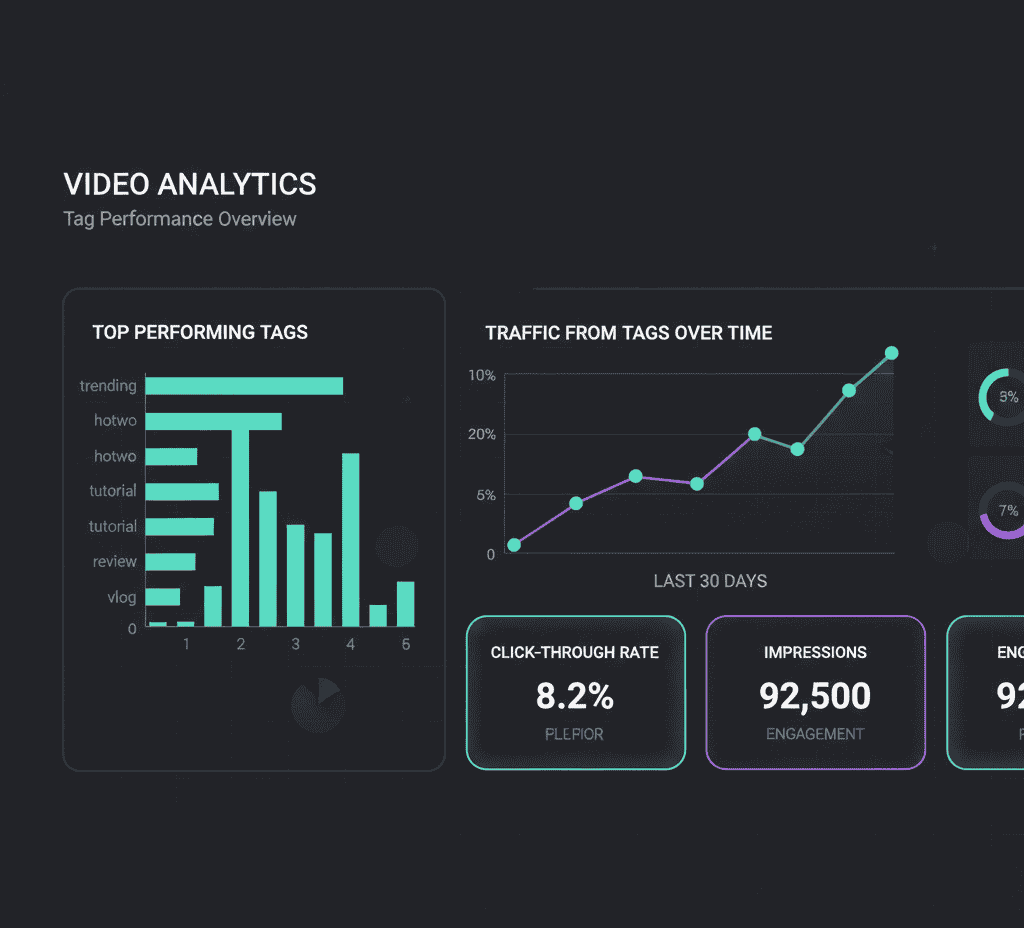
Tracking which tags drive actual traffic requires examining your analytics dashboard. Most platforms provide data showing which search terms and recommendation pathways brought viewers to your content.
Identify your top-performing tags and ensure they remain consistently applied across relevant uploads. Conversely, tags generating impressions but not engagement might need replacement with more targeted alternatives.
A/B Testing Different Tag Combinations
Upload similar content with varied tag strategies to determine which approaches yield better results. This comparative analysis reveals what resonates with your specific audience within your particular niche.
Document your findings systematically. Over time, you’ll develop data-driven insights into which tag types, lengths, and combinations perform best for your content style and target demographic.
Regular tag updates keep older content relevant as search trends evolve. Reviewing and refreshing tags on catalog material every 3-6 months can revitalize performance of previously uploaded videos.
Compliance and Content Policy Considerations
Operating within platform guidelines protects your business from disruption. Each platform maintains specific requirements regarding age verification indicators, consent documentation references, and geographic restriction metadata.
Certain jurisdictions require particular content warnings or classification tags. Familiarize yourself with regulations affecting your target markets, incorporating necessary compliance tags that meet legal requirements.
Copyright and Attribution Metadata
If your content includes licensed material or features performers under contract, appropriate attribution tags protect all parties’ interests. Many platforms now require specific formatting for performer credits and production company identifications.
Proper attribution also helps viewers find more content from specific performers or studios, potentially building cross-promotional benefits within your network.
Multi-Language Tag Implementation
Expanding into international markets requires translating your tags into relevant languages. Many viewers search in their native language, even on predominantly English-language platforms.
Focus translation efforts on major language markets relevant to your content’s appeal. Professional translation services ensure accuracy—automated translation tools sometimes produce awkward or inappropriate phrasings that miss cultural nuances.
Regional Search Behavior Differences
Search patterns vary significantly across cultures and regions. Terms popular in one market might be uncommon in another, even when translated accurately. Research regional preferences through platform-specific analytics showing geographic viewer sources.
Some platforms allow language-specific tag sets, enabling you to optimize separately for different linguistic audiences without cluttering your primary tag selection.
Automation and Tools for Tag Management
Several third-party tools help streamline the tagging process, offering features like bulk editing, tag suggestion based on content analysis, and performance tracking across multiple platforms.
When evaluating automation tools, prioritize those respecting platform terms of service. Some aggressive automation triggers platform safeguards designed to prevent spam, potentially harming your account standing.
AI-Assisted Tag Generation
Emerging artificial intelligence tools can analyze your video content and suggest relevant tags based on visual and audio elements. While these technologies show promise, human oversight remains essential for ensuring accuracy and platform policy compliance.
Use AI suggestions as starting points rather than final selections. Your understanding of your content’s unique aspects and target audience should guide final tag decisions.
Future-Proofing Your Tag Strategy
The adult content industry continues evolving rapidly, with new platforms, technologies, and viewer behaviors emerging constantly. Building flexible tagging workflows allows quick adaptation to these changes.
Stay connected with industry communities and forums where creators share insights about algorithm changes and effective strategies. Platform algorithm updates often roll out gradually, giving attentive creators opportunities to adjust before widespread impact.
Preparing for Increased AI Integration
Artificial intelligence will play an expanding role in content discovery. Future systems may analyze video content directly, making tags less about matching exact search terms and more about confirming algorithmic assessments of your material.
This shift emphasizes the importance of accurate, honest tagging. As platforms grow better at detecting mismatches between tags and actual content, authenticity becomes not just ethical but strategically essential.
Building sustainable workflows involves creating template systems for recurring content types, documenting what works, and regularly reviewing performance data. This systematic approach helps maintain consistency while allowing continuous improvement.
Conclusion
Mastering adult video tag optimization techniques in 2026 requires balancing multiple factors—platform-specific requirements, algorithmic preferences, audience search behaviors, and compliance obligations. The strategies outlined in this guide provide a comprehensive framework for maximizing your content’s reach while maintaining ethical standards and platform compliance.
Success comes from treating tagging as an ongoing process rather than a one-time task. Regular analysis, testing, and refinement based on performance data will help you stay ahead of algorithm changes and evolving viewer preferences. Implement these techniques systematically, track your results, and adjust your approach based on what your specific audience and platform respond to most effectively.
Remember that while technical optimization matters, creating quality content that genuinely delivers on your tags’ promises remains the foundation of sustainable success in this industry.
Frequently Asked Questions
How many tags should I use per video? Most platforms perform best with 12-20 carefully selected tags rather than maxing out available slots. Focus on quality and relevance over quantity.
Can I change tags after publishing? Yes, most platforms allow tag editing after upload. Regular updates can help older content maintain relevance as search trends evolve.
Do tags affect video ranking immediately? Algorithm processing typically takes 24-48 hours. Initial ranking depends on multiple factors beyond tags, including early engagement rates and channel authority.
What’s the difference between tags and descriptions? Tags are discrete keywords used for categorization, while descriptions provide narrative context. Both contribute to discoverability but serve different algorithmic functions.
How often should I update my tags? Review top-performing content quarterly and update underperforming material every 3-6 months based on analytics insights and trending search terms.
